How I Bounced Back: Simple Moves That Actually Helped My Bones Heal
Recovering from a bone injury can feel slow and frustrating. I know because I’ve been there—days of stiffness, fear of re-injury, and not knowing what really helps. Turns out, healing isn’t just about rest. The right gentle movements, daily habits, and small lifestyle shifts made a real difference for me. This is what actually worked, backed by science and lived experience. It wasn’t about dramatic changes or miracle cures, but about consistent, thoughtful choices that supported my body’s natural repair process. And the good news? These steps are within reach for anyone facing a similar journey.
The Wake-Up Call: When My Bone Injury Changed Everything
It started with a simple misstep—a wet kitchen floor, a slip, and a sharp pain in my wrist. I thought it was a sprain, something ice and rest would fix in a few days. But an X-ray revealed a small fracture in the scaphoid bone, one of the most delicate bones in the hand. What surprised me wasn’t just the diagnosis, but how long the healing took. Weeks turned into months. The cast came off, but stiffness remained. Simple tasks like opening a jar or typing on a keyboard became frustrating challenges.
More than the physical discomfort, it was the emotional toll that caught me off guard. I felt trapped in my own body. I worried every time I reached for something or lifted a grocery bag. Would I re-injure it? Was I doing enough to heal? Or too much? The uncertainty was exhausting. I followed my doctor’s advice—rest, avoid strain, protect the area—but I realized something was missing. Medical guidance gave me boundaries, but not a roadmap for active recovery. I needed practical, everyday actions that would truly support healing, not just passive waiting.
That’s when I began digging deeper. I started reading about bone biology, talking to physical therapists, and learning how the body repairs itself. What I discovered changed everything. Healing wasn’t just about time passing. It was about creating the right internal and external conditions for recovery. And one of the most powerful tools wasn’t a pill or a machine—it was movement. Not reckless activity, but intentional, gentle motion that signaled the body to rebuild stronger. This realization marked the beginning of my real recovery.
Bone Health 101: What Most People Get Wrong
Most of us grow up hearing that strong bones come from drinking milk and getting enough calcium. And while calcium is important, it’s only one piece of a much larger puzzle. Bones are living tissues, constantly remodeling themselves through a process called bone turnover. Specialized cells called osteoblasts build new bone, while osteoclasts remove old or damaged tissue. This dynamic balance keeps bones strong and adaptable. But when a fracture occurs, this system goes into overdrive, working to reconnect the broken pieces.
Here’s where many people get it wrong: they think rest alone is enough. In reality, complete inactivity can slow healing. Without some mechanical stress—gentle pressure or movement—bones don’t get the signals they need to rebuild. Think of bone like muscle: it strengthens in response to use. When you stop using it, not only does the surrounding muscle weaken, but the bone itself can lose density over time. This is especially true during prolonged immobilization, such as wearing a cast for weeks.
Another common misconception is that supplements alone can fix bone issues. While vitamin D helps the body absorb calcium, and protein provides the building blocks for new tissue, no single nutrient works in isolation. Healing requires a symphony of factors: proper blood flow to deliver nutrients, cellular activity to repair the damage, and mechanical input to guide the structure of new bone. Nutrition supports this process, but it doesn’t replace the need for movement and circulation. Understanding this shifted my mindset from passive recovery to active participation in my own healing.
The Rehab Game-Changer: Why Movement Heals (Not Hurts)
For weeks after my cast came off, I avoided using my wrist. I feared pain, stiffness, or worse—re-injury. But the more I protected it, the weaker it felt. Simple motions became difficult. My grip weakened, and a dull ache lingered. It wasn’t until my physical therapist encouraged me to start gentle range-of-motion exercises that I began to see progress. At first, it felt counterintuitive. How could moving a healing bone help? But the science is clear: controlled movement increases blood flow to the injured area, delivering oxygen and essential nutrients that support tissue repair.
Blood circulation is vital for healing. Without adequate flow, the cells responsible for bone regeneration don’t get the resources they need. Gentle motion acts like a pump, encouraging circulation without overloading the injury. In my case, simple wrist circles, finger bends, and light resistance exercises made a noticeable difference within days. The stiffness eased, and the persistent ache began to fade. I also noticed improved coordination and strength, which boosted my confidence in using my hand again.
Equally important was the impact on surrounding muscles and connective tissues. When a limb is immobilized, muscles atrophy quickly. Tendons and ligaments lose elasticity. This not only delays recovery but increases the risk of future injury. By reintroducing movement early—within safe limits—I preserved muscle tone and joint flexibility. My therapist emphasized that the goal wasn’t intensity, but consistency. Even five minutes of gentle exercise, done daily, was more effective than an occasional longer session. This principle became the foundation of my recovery routine.
My Daily Routine: 4 Simple Practices That Made a Difference
I didn’t need a gym or complicated equipment to support my healing. What helped most were small, repeatable actions I could do every day. I built a simple routine around four key practices: walking, weight-bearing exercises, stretching, and posture awareness. Each played a specific role in my recovery, and together, they created a holistic approach that addressed both my injured wrist and my overall well-being.
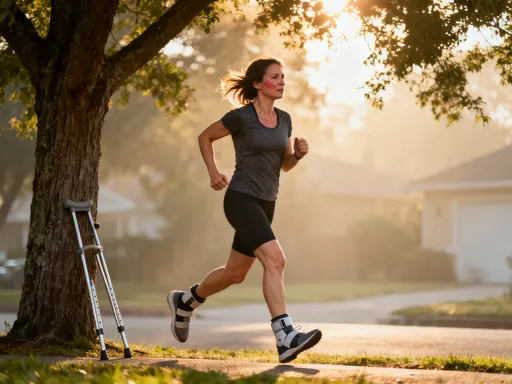
First, I committed to daily walking. Even 15 to 20 minutes a day made a difference. Walking is a weight-bearing activity, meaning it applies gentle stress to bones, especially in the legs and spine, which signals the body to maintain or increase bone density. It also improved my circulation, helping deliver nutrients throughout my body, including to my healing wrist. I wore supportive shoes and focused on maintaining good posture—shoulders back, head aligned—to avoid compensating for my injury in other areas.
Second, I incorporated light weight-bearing exercises for my upper body. Using resistance bands, I performed gentle wrist extensions and flexions. These weren’t about building strength quickly, but about re-educating the muscles and stimulating bone activity. I started with no resistance and gradually increased as my comfort improved. My therapist reminded me: progress isn’t measured by how much you can lift, but by how well your body functions. I also did seated arm raises and shoulder rolls to keep my upper body mobile without straining my wrist.
Stretching became a non-negotiable part of my day. I spent a few minutes each morning and evening gently stretching my fingers, wrist, and forearm. This helped maintain flexibility and reduce scar tissue formation, which can limit motion. I used a simple technique: hold each stretch for 20–30 seconds without forcing it. If it hurt, I stopped. Pain was a signal, not a challenge to push through. Over time, my range of motion improved, and everyday tasks became easier.
Finally, I paid attention to posture—something I hadn’t considered before. Sitting at a desk for hours, especially while favoring my injured hand, led to tension in my neck and shoulders. I adjusted my workstation, used a supportive chair, and set reminders to stand and move every hour. Good posture reduced strain on my body and allowed for better alignment during movement, which supported overall recovery. I tracked my progress in a small notebook, noting how I felt each day. This simple habit kept me accountable and helped me see improvements that weren’t always obvious in the moment.
Fueling Recovery: Nutrition Without the Hype
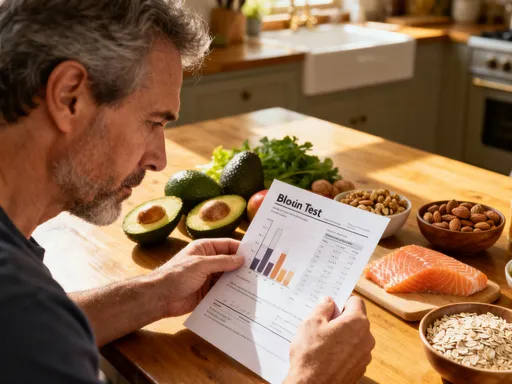
I won’t pretend I overhauled my entire diet, but I did make small, sustainable changes that supported healing. I focused on real foods rich in the nutrients that bones actually need. Calcium was part of the picture, but I learned it doesn’t work alone. Vitamin D is essential for calcium absorption, and many adults don’t get enough, especially in winter months. I started eating more eggs, fatty fish like salmon, and fortified dairy or plant-based alternatives. I also spent a few minutes in the morning sun when possible—natural sunlight helps the body produce vitamin D.
Protein was another key player. Bones are made not just of minerals, but of a protein matrix that gives them structure. Without adequate protein, new bone tissue can’t form properly. I made sure to include a source of protein in every meal—Greek yogurt, lentils, chicken, or tofu. These weren’t large portions, just consistent intake throughout the day. I also increased my magnesium intake, which supports bone mineralization. Foods like spinach, almonds, and black beans became regulars in my meals.
Hydration often gets overlooked, but water is crucial for tissue repair. Every cellular process, including bone regeneration, depends on proper fluid balance. I started carrying a reusable water bottle and aimed to drink consistently throughout the day. I noticed that when I was well-hydrated, my joints felt less stiff, and my energy levels improved. I didn’t follow any trendy diets or take unproven supplements. Instead, I focused on balance—eating a variety of whole foods, staying hydrated, and avoiding excessive sugar and processed foods, which can promote inflammation and slow healing.
Lifestyle Tweaks That Supported My Healing
Healing doesn’t happen in a vacuum. It’s influenced by everything we do—how we sleep, how we move, and how we manage stress. One of the most impactful changes I made was improving my sleep routine. Research shows that bone regeneration peaks during deep sleep, when the body releases growth hormones that support tissue repair. I committed to a consistent bedtime, limited screen time before bed, and created a calm sleeping environment. Within a few weeks, I noticed not only better rest but faster progress in my recovery.
I also reduced habits that were working against me. Staying up late, skipping meals, and sitting for long stretches weren’t helping my body heal. I set small goals: no screens after 9 p.m., a balanced dinner by 7 p.m., and a five-minute stretch every hour at work. These weren’t drastic changes, but they added up. I also became more mindful of stress. Chronic stress raises cortisol levels, which can interfere with bone formation and slow healing. I started practicing deep breathing and took short walks in nature, which helped me feel calmer and more centered.
Perhaps the hardest part was staying patient. Healing isn’t linear. Some days I felt great; others, I regressed. I had to remind myself that progress wasn’t always visible. I wasn’t regaining strength in dramatic leaps, but in tiny increments—being able to twist a lid, type without discomfort, or carry a full grocery bag. Celebrating these small wins helped me stay motivated. I learned to listen to my body, not push through pain, and trust the process. This mental shift was just as important as any physical action I took.
When to Seek Help and What I Learned for the Future
While self-care played a big role in my recovery, I never ignored the importance of professional guidance. There were moments when pain increased, swelling returned, or movement worsened—clear signs that I needed to pause and consult my doctor or physical therapist. One time, after trying a new exercise, I experienced sharp pain that didn’t go away. I stopped immediately and reached out for advice. It turned out I had overdone it slightly, and a brief adjustment to my routine was all that was needed. But I learned that listening to warning signs isn’t a sign of weakness—it’s a sign of wisdom.
I also realized that not all recovery strategies are safe for everyone. What worked for me might not be appropriate for someone with a different type of injury, age, or health condition. That’s why medical oversight is essential. I never tried unproven remedies, extreme diets, or aggressive exercises without professional input. Healing requires both personal initiative and informed caution. I’m grateful for the healthcare providers who supported me, answered my questions, and helped me stay on track.
This experience reshaped how I think about bone health. I used to take my body for granted—until I couldn’t open a jar. Now, I see bones as dynamic, responsive structures that need care every day, not just after an injury. I continue my walking routine, eat a balanced diet, and stay active. I’ve also become more proactive about prevention—getting regular check-ups, staying up to date on vitamin D levels, and paying attention to how I move and sit throughout the day. My injury was a wake-up call, but it also gave me tools to live healthier and stronger for years to come.
Healing isn’t magic—it’s daily choices. By combining gentle rehab, smart nutrition, and lifestyle awareness, I rebuilt strength and confidence. This journey taught me that small, consistent actions are the real foundation of recovery. Your bones can heal, but they need the right support—start simple, stay consistent, and always listen to your body.