Why I Let Traditional Chinese Medicine Reset My Daily Routine
For years, I chased quick fixes—energy drinks, crash diets, late-night workouts. Nothing lasted. Then I tried aligning my habits with traditional Chinese medicine principles, not as a cure, but as a lifestyle shift. It wasn’t about magic remedies, but balance: sleep, diet, rhythm. Within weeks, my energy stabilized, digestion improved, and mental fog lifted. This isn’t a medical solution—it’s a gentle realignment. Here’s how small, consistent changes based on ancient wisdom quietly transformed my modern life.
The Burnout That Sparked the Change
Modern life moves fast, and many women in their 30s, 40s, and 50s find themselves stretched thin—managing careers, households, children, and aging parents, often with little time left for themselves. I was no exception. I prided myself on being productive: early gym sessions, back-to-back meetings, dinner on the table by 7 p.m., and then, inevitably, late-night screen time catching up on emails or scrolling through social media. I thought I was doing everything right. But over time, the cost became clear: constant fatigue, irregular sleep, bloating after meals, and a persistent sense of being overwhelmed.
My wake-up calls weren’t dramatic illnesses, but subtle warnings. I relied on coffee to start the day and wine to wind down. My energy would crash by mid-afternoon, no matter how much I ate. I’d lie awake at night, mind racing, even when my body was exhausted. I tried every trendy solution—intermittent fasting, high-intensity interval training, protein shakes, sleep trackers—but nothing brought lasting relief. The fixes were temporary, and the exhaustion always returned. What I didn’t realize then was that I wasn’t broken; I was out of rhythm.
That realization came slowly. I began to question whether health was just about counting calories or logging workouts. Maybe it was about something deeper—something more sustainable. That’s when I turned to traditional Chinese medicine (TCM), not as a last resort, but as a new way of thinking. I wasn’t looking for a cure. I was looking for balance. And what I found wasn’t a quick fix, but a framework for living—one that honored the body’s natural cycles rather than fighting against them.
Understanding the Core of Traditional Chinese Medicine Adjustment
Traditional Chinese medicine has been practiced for thousands of years, rooted in the understanding that health is not the absence of disease, but the presence of balance. At its core, TCM is based on two fundamental principles: the balance between yin and yang, and the smooth flow of qi (pronounced “chee”), the vital energy that moves through the body. When these forces are in harmony, the body functions optimally. When they are disrupted—by stress, poor diet, lack of sleep, or emotional strain—discomfort and imbalance follow.
Unlike Western medicine, which often focuses on treating symptoms, TCM emphasizes prevention and long-term wellness. It views the body as an interconnected system, where the health of one organ affects another, and where emotions, diet, and lifestyle are all part of the same whole. For example, in TCM, the liver is not just a physical organ—it’s linked to emotions like anger and frustration, and its function is strongest between 1 a.m. and 3 a.m., which is why poor sleep during those hours may indicate liver imbalance.
One of the most powerful shifts in my thinking was learning to see my body not as a machine to be pushed, but as a living ecosystem to be nurtured. TCM doesn’t demand perfection. It encourages awareness. It asks: When do you feel most alert? When do you feel sluggish? What foods leave you energized, and which ones weigh you down? These aren’t questions of willpower—they’re invitations to listen. And once I started paying attention, small changes began to make a big difference. This wasn’t about replacing my doctor or dismissing modern medicine. It was about complementing my life with a gentler, more intuitive approach.
Morning Rituals Rooted in Qi Flow
How you start your day sets the tone for everything that follows. In traditional Chinese medicine, the early morning—between 5 a.m. and 7 a.m.—is governed by the large intestine, a time associated with elimination and renewal. This is why many TCM practitioners recommend waking with the sun and beginning the day with a simple act of release: drinking warm water and allowing the body to naturally detoxify.
I used to reach for coffee the moment I opened my eyes. Now, I begin with a glass of warm water, sometimes with a slice of lemon or a pinch of ginger. This small shift alone made a noticeable difference. Warm water stimulates digestion, helps move qi, and gently wakes up the internal organs. It doesn’t give the jolt of caffeine, but it provides a steady, calm energy. Within days, I noticed less bloating and a more regular digestive rhythm.
After hydrating, I spend five to ten minutes in gentle movement. This might be stretching, a short tai chi sequence, or simply standing barefoot on the floor, breathing deeply. These practices are not about burning calories—they’re about awakening the body’s energy channels. In TCM, stagnation leads to discomfort, while flow brings vitality. By moving slowly and mindfully, I signal to my body that the day is beginning with care, not chaos. Over time, this routine became non-negotiable—a quiet promise to myself before the demands of the day begin.
Eating According to Your Body’s Natural Clock
One of the most surprising lessons from TCM was rethinking meal timing. In Western culture, we’re often told breakfast is the most important meal. But in TCM, digestion is strongest between 7 a.m. and 9 a.m., and even more so between 9 a.m. and 11 a.m., when the spleen and stomach are most active. Rather than forcing a big breakfast when my appetite wasn’t ready, I began eating a light morning meal—perhaps congee (a warm rice porridge), a boiled egg, or a small piece of fruit—and saving my largest meal for lunch.
Lunch, eaten between 12 p.m. and 1 p.m., became the centerpiece of my day. I focused on warm, cooked foods—steamed vegetables, soups, lean proteins, and whole grains. These are easier to digest and support spleen function, which in TCM governs transformation and transportation of nutrients. By eating my main meal when digestive fire was strongest, I absorbed more energy and felt less sluggish in the afternoon.
Dinner, in contrast, became lighter and earlier—ideally by 6:30 or 7 p.m. Heavy meals late at night force the digestive system to work when the body should be winding down. In TCM, this can lead to dampness and phlegm accumulation, which manifest as bloating, fatigue, and mental fog. I noticed that when I ate late, I woke up feeling puffy and groggy. When I shifted to an earlier, lighter dinner—steamed fish, a small bowl of soup, or a vegetable stir-fry—I slept better and woke up refreshed.
Seasonal eating also became part of my rhythm. In winter, I gravitated toward warming foods—root vegetables, bone broths, ginger, and cinnamon. In summer, I favored cooling foods like cucumber, melon, and leafy greens. This wasn’t about strict rules, but about tuning in. When I ate with the seasons, my body felt more in sync, as if I were moving with nature rather than against it.
Rest as Restoration, Not Laziness
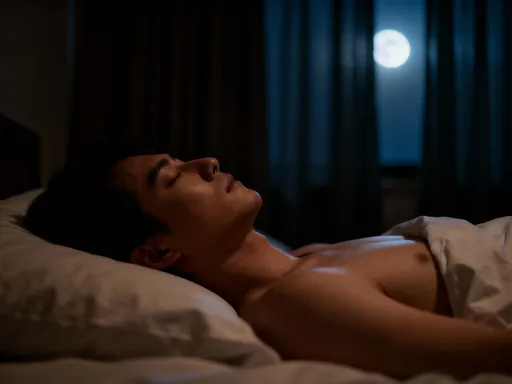
In a culture that glorifies busyness, rest is often seen as indulgence. But in traditional Chinese medicine, sleep is not downtime—it’s active restoration. The hours between 11 p.m. and 1 a.m. are governed by the gallbladder, a time for decision-making and courage, while 1 a.m. to 3 a.m. belongs to the liver, responsible for detoxification and emotional processing. According to TCM, being asleep during these hours supports deep cleansing and emotional balance.
I used to stay up late, telling myself I was being productive. But I noticed that the later I stayed up, the more irritable I felt the next day, and the harder it was to make clear decisions. Once I committed to being in bed by 10:30 p.m., with lights out by 11, the change was profound. I didn’t force myself to sleep—instead, I created conditions for rest: turning off screens by 9 p.m., dimming the lights, and sipping a calming herbal tea like chrysanthemum or linden.
Sleep quality improved within a week. I woke up more easily, without the need for multiple alarms. My skin looked clearer, likely because the liver had time to do its work overnight. My mood stabilized, and I felt more patient with my family and myself. Rest wasn’t laziness—it was an act of self-respect. And the more I prioritized it, the more energy I had during the day. It was a paradox I hadn’t expected: slowing down at night made me more capable during the day.
Movement That Nourishes Instead of Drains
For years, I believed that exercise had to be intense to be worthwhile. I pushed through high-impact workouts, often sore and exhausted the next day. But in TCM, overexertion is seen as a form of depletion. The body has a finite amount of qi, and excessive physical strain—especially when already fatigued—can weaken the spleen and kidneys, leading to long-term fatigue, weakened immunity, and hormonal imbalance.
The alternative isn’t inactivity—it’s mindful movement. Practices like walking, qigong, and tai chi are central to TCM because they move qi without depleting it. They build strength, flexibility, and stamina, but gently. I started with a 30-minute walk each day, preferably in nature. No tracking, no targets—just movement with awareness. I paid attention to my breath, the rhythm of my steps, the way my body felt.
Within weeks, my energy levels rose. I didn’t crash in the afternoons. My sleep deepened. My digestion improved. The walk became a moving meditation, a time to clear my mind and reconnect with my body. On days when I felt low, I didn’t push harder—I slowed down. I listened. Sometimes that meant stretching instead of walking. Other times, it meant resting entirely. This wasn’t failure—it was wisdom. Movement, in the TCM view, should leave you feeling replenished, not drained. And when I honored that principle, my relationship with exercise transformed from punishment to nourishment.
Mind-Body Harmony Through Daily Awareness
Perhaps the most lasting change was learning to pay attention. In TCM, emotions are not separate from physical health. Anger affects the liver, worry affects the spleen, grief affects the lungs. When we ignore our emotional signals, the body stores the tension—often as fatigue, digestive issues, or tension headaches. Awareness is the first step toward balance.
I began a simple daily check-in: each morning and evening, I took three deep breaths and asked myself, How do I feel? Not just physically, but emotionally. Was I anxious? Overwhelmed? Calm? Joyful? I didn’t judge the answers—just observed them. Sometimes I wrote a few sentences in a journal. Other times, I simply sat quietly. This practice helped me recognize patterns. I noticed that certain foods made me feel heavy, not just in my stomach but in my mood. I saw how skipping rest led to irritability. I realized that saying yes too often left me drained.
With this awareness, I could make small adjustments. If I felt anxious, I’d take a walk or practice five minutes of deep breathing. If I felt tired, I’d rest instead of pushing through. I began to see my body not as an obstacle, but as a guide. This wasn’t about perfection—it was about presence. And the more present I became, the more in tune I felt with my natural rhythms. The mind-body connection, so central to TCM, became real to me not as a theory, but as a daily experience.
Conclusion: Small Shifts, Lasting Balance
This journey wasn’t about dramatic transformation. There was no single moment of revelation, no overnight cure. It was a series of small, consistent choices—drinking warm water in the morning, eating lunch as the main meal, walking instead of rushing, resting without guilt, listening to my body’s signals. These shifts didn’t require expensive supplements, extreme diets, or hours at the gym. They required only attention and intention.
Traditional Chinese medicine didn’t fix me—it helped me realign. It offered a framework for living in harmony with natural rhythms, rather than fighting against them. It reminded me that health is not a destination, but a daily practice. It’s in the way we eat, move, rest, and respond to stress. It’s in the quiet moments of awareness, the choice to pause, the decision to honor our limits.
For women in midlife, this approach can be especially powerful. Our bodies are changing. Our roles are evolving. The demands on our time and energy are constant. But we don’t have to meet them with burnout. We can meet them with balance. By integrating the wisdom of TCM into daily life, we reclaim a sense of agency. We learn to nurture ourselves not as an afterthought, but as a priority.
None of this replaces medical care. If you have a health condition, always consult a qualified healthcare provider. But for overall well-being, for sustained energy, for emotional resilience—these small, ancient practices offer something modern life often lacks: rhythm, respect, and restoration. It’s not about going back in time. It’s about moving forward with wisdom. And sometimes, the gentlest changes are the ones that last the longest.