Lost in Paradise: Where Maldivian Charm Meets Island Commerce
Tucked within the cerulean embrace of the Indian Ocean, Kuramathi isn’t just about powdery sands and overwater bungalows—its vibrant commercial pulse adds a surprising layer to the luxury. Far from generic resorts, this island blends local rhythm with guest experiences, where boutique shops, open-air markets, and seaside cafes create a sensory journey. I discovered how commerce here doesn’t disrupt tranquility—it enhances it, offering authenticity amid paradise. Unlike destinations where tourism feels isolated from daily life, Kuramathi invites travelers into a living ecosystem where economic activity flows naturally through palm-lined paths and turquoise vistas. This is not consumption disguised as culture, but culture expressed through commerce—a subtle yet powerful distinction that transforms a tropical escape into something more meaningful.
First Impressions: Stepping Into Kuramathi’s Living Culture
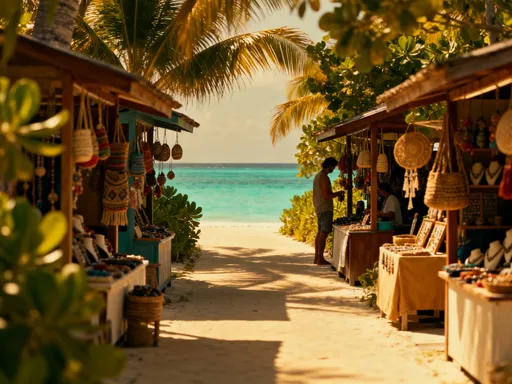
From the moment guests step off the seaplane and onto the wooden jetty, Kuramathi presents itself not as a curated fantasy, but as a place where life unfolds in real time. The air carries the scent of salt, frangipani, and grilled fish, mingling with soft Maldivian melodies drifting from hidden speakers. Unlike many all-inclusive resorts that create a bubble between visitors and reality, Kuramathi embraces integration. Small wooden kiosks appear just beyond the welcome arch—simple structures with hand-painted signs selling coconuts, woven hats, and chilled towels. Staff members greet guests not only with flower leis but with genuine eye contact and smiles that suggest familiarity, not performance.
The island’s design philosophy is immediately evident: commerce is not an afterthought or a separate zone, but a thread woven into the fabric of daily experience. Pathways leading from the jetty to guest accommodations pass through clusters of low-rise buildings where both employees and visitors move freely. A mother walks her child to school near a boutique selling coral-print sarongs; a guest pauses to buy a handmade fan from a shaded stall while a staff member purchases lunch from a nearby canteen. This seamless blending of functions creates a sense of authenticity often missing in luxury island resorts, where guest spaces are strictly cordoned off from operational areas.
What makes this integration successful is intentionality. The resort’s planners have carefully balanced accessibility with privacy. Commercial touchpoints are present but never intrusive. There are no loud advertisements, flashing signs, or pushy vendors. Instead, each shop, stall, or café feels like a natural extension of the environment—built from sustainable wood, shaded by thatched roofs, and positioned to catch sea breezes. Even the lighting at dusk is soft and warm, guiding visitors gently toward evening dining spots without disrupting the island’s peaceful ambiance. This thoughtful design ensures that commercial activity supports, rather than competes with, the sense of serenity.
For travelers, especially women between 30 and 55 who value both comfort and cultural depth, this first impression is powerful. It signals that their stay will be more than passive relaxation—it will be participatory. They are not merely observers of Maldivian life, but temporary members of a community where economic exchange happens with grace and dignity. This subtle shift—from tourist to participant—begins the moment they set foot on the island, setting the stage for a more emotionally resonant journey.
The Heartbeat of the Island: Understanding Kuramathi’s Commercial Zones
Kuramathi’s commercial life is not confined to a single shopping arcade or a sterile gift shop near the lobby. Instead, its economic heartbeat pulses through decentralized, organically placed hubs that reflect the island’s geography and social rhythm. These zones are not designed for maximum foot traffic or profit extraction, but for integration—with nature, with culture, and with the daily flow of both guests and staff. There are three primary types of commercial spaces: beachfront boutiques, the main village corridor, and waterside dining clusters, each serving multiple functions and audiences.
The beachfront boutiques, scattered along the western shore, are perhaps the most visually striking. Built on stilts or nestled between palm trees, these small shops offer handcrafted goods—beaded jewelry made from recycled glass, batik scarves dyed with natural pigments, and wooden boxes carved with traditional Maldivian motifs. What sets them apart is their visibility to both guests and locals. A resort worker might stop by to purchase a gift for a relative, while a guest browses for a meaningful souvenir. These interactions, though brief, foster a quiet sense of shared space. The boutiques are staffed by Maldivian artisans or their family members, many of whom live on nearby local islands and commute daily. Their presence ensures that the goods sold are not mass-produced imports, but authentic expressions of regional craftsmanship.
Along the central pathway—often referred to by staff as the “spine” of the island—lies the main village corridor. This is where daily commerce thrives in its most practical form. Here, guests encounter small stalls selling fresh fruit, bottled water, and island-made snacks like hedhikaa (traditional Maldivian short eats). The corridor also houses the staff canteen, a modest but bustling eatery that serves the same dishes to employees as it does to guests at slightly lower prices. This shared menu is symbolic: it reflects a commitment to equity and inclusion, reinforcing the idea that everyone on the island, regardless of role, contributes to its vitality.
The waterside dining clusters, located near the eastern and southern shores, represent the most dynamic commercial zones. As the sun begins to set, these areas transform. What were quiet lunch spots become illuminated gathering places where guests sip fresh coconut water while listening to live acoustic music. Vendors set up temporary counters offering grilled tuna skewers, banana fritters, and tropical smoothies. These pop-up markets are carefully managed—vendors must follow hygiene protocols and use biodegradable packaging—but they retain a spontaneous, festive atmosphere. For families and couples alike, these moments feel less like transactions and more like participation in a shared celebration of island life.
Together, these zones form a commercial ecosystem that prioritizes sustainability, authenticity, and human connection. They are not designed to maximize sales, but to enrich the guest experience while supporting local livelihoods. By decentralizing commerce and embedding it within the natural and social landscape, Kuramathi ensures that economic activity enhances, rather than detracts from, the island’s charm.
From Sunrise to Sunset: A Day in the Life of Island Commerce
The rhythm of commerce on Kuramathi follows the sun, shaped by light, temperature, and the natural flow of guest activity. Each hour brings a different tempo, a different set of interactions, revealing how commerce here is not a constant hustle, but a responsive, almost poetic dance with time. At dawn, the island is quiet, save for the soft rustle of palm leaves and the distant clatter of kitchen prep. But by 6:30 a.m., the first signs of economic life emerge. Staff from the produce delivery boat unload crates of fresh papaya, mango, and banana onto the jetty. These fruits will soon appear at breakfast buffets and roadside stands, their vibrant colors a promise of the day ahead.
By 8 a.m., the beachfront kiosks open. A woman named Aminath, who has worked at the same coconut stand for seven years, arranges chilled coconuts on a bed of ice. She greets regular guests by name, often adding an extra lime wedge or a sprig of mint as a small gesture of warmth. Her stand is simple—a wooden cart with a blue awning—but it’s one of the most frequented spots on the island. Guests stop not just for hydration, but for the human connection. Aminath speaks limited English, but her kindness transcends language. She keeps a notebook where guests write messages in different languages, a testament to the quiet bonds formed over shared moments.
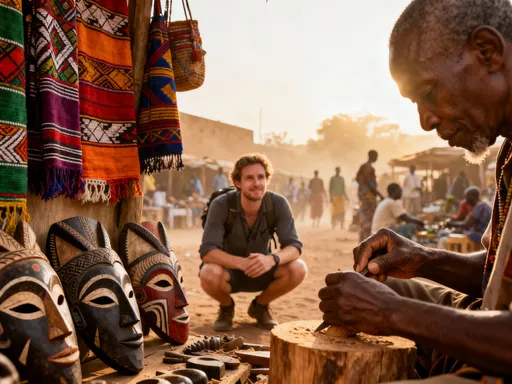
Morning also brings artisans to shaded workspaces near the central pathway. Under large umbrellas made from recycled sails, a group of older men weave palm fronds into hats and mats. Their hands move with practiced ease, each motion shaped by decades of tradition. These items are not made for display—they are sold daily, often within hours of completion. A guest might watch the process, ask a few questions through a translator, and later purchase a hat still warm from the sun. This immediacy—seeing something made and then holding it—is a powerful experience, one that transforms a simple purchase into a memory.
By midday, the heat slows activity. Many shops close briefly, respecting the Maldivian custom of resting during peak sun. But the resort’s main market remains open, offering cold drinks, sunscreen, and quick bites. This is when families with children often visit, seeking shade and refreshment between snorkeling and beach play. The staff here are trained to engage gently, offering recommendations without pressure. A mother might ask for reef-safe sunscreen, and the attendant will explain which local brand is both effective and environmentally responsible, reinforcing the island’s commitment to sustainability.
As the sun begins its descent, the island’s commercial energy shifts again. Waterside areas light up with lanterns and soft music. Temporary food counters appear, staffed by chefs who specialize in Maldivian street food. The scent of garlic, chili, and smoked tuna fills the air. Guests gather on low stools or lounge on beach mats, ordering small plates to share. This is not fine dining, but something more intimate—a communal meal under the stars. The transaction is simple, but the experience is rich with cultural texture. Children laugh, couples toast with fresh juice, and solo travelers strike up conversations with staff. Commerce, in this moment, becomes connection.
Shopping with Soul: What You Can (and Should) Buy Here
On Kuramathi, shopping is not about accumulating souvenirs, but about carrying home meaning. The island’s vendors offer goods that are not only beautiful but purposeful—each item tells a story, supports a livelihood, and reflects the values of the community. For discerning travelers, especially women who value intentionality and ethics, these purchases become extensions of their values. The most worthwhile items are not the most expensive, but those that embody craftsmanship, sustainability, and cultural authenticity.
One of the most cherished purchases is the hand-painted sarong. Unlike the mass-produced versions sold in airport shops, Kuramathi’s sarongs are created by local artists using natural dyes and traditional patterns. Each piece is unique, often inspired by marine life—the swirl of a seashell, the pattern of coral, the movement of a manta ray. Buying one supports not only the artist but also the preservation of Maldivian textile traditions, which risk fading in the face of globalized fashion. These sarongs are versatile—worn as beach cover-ups, draped as wall art, or gifted to loved ones—as reminders of a place where beauty and purpose coexist.
Another meaningful purchase is reef-safe sunscreen produced by a small Maldivian company in partnership with the resort. Packaged in biodegradable tubes and formulated without oxybenzone or octinoxate, this product protects both skin and marine ecosystems. The resort educates guests about coral bleaching and encourages the use of such products through signage and staff conversations. Buying this sunscreen is not just a personal choice, but a small act of environmental stewardship—one that aligns with the values of eco-conscious travelers.
Handwoven baskets and mats, made from dried palm leaves, are also popular. Crafted by older artisans who have passed down their skills through generations, these items are both functional and symbolic. A basket might be used for beach picnics, while a mat becomes a centerpiece in a home far away. The purchase of these goods directly supports elderly community members, ensuring their skills remain valued and economically viable. Many guests report feeling a deep sense of gratitude when using these items back home, knowing they are part of a living tradition.
For those seeking wearable art, the island’s jewelry stalls offer necklaces and earrings made from recycled glass, mother-of-pearl, and sustainably harvested wood. Each piece is assembled by hand, often by women from nearby islands who work flexible hours to balance family and craft. The resort ensures fair wages and safe working conditions, making these purchases not only beautiful but ethically sound. A simple pendant, shaped like a wave or a fish, becomes more than an accessory—it becomes a token of connection, a bridge between worlds.
Taste of the Atoll: How Food Markets Define Island Identity
Food is the soul of Kuramathi’s commercial culture. More than mere sustenance, the island’s culinary offerings reflect its history, geography, and values. Open-air grills, fruit stands, and pop-up curry counters are not just convenient—they are expressions of identity. Here, commerce and culture meet on a plate. The Maldivian diet, rooted in seafood, coconut, and tropical produce, is honored and adapted to welcome global palates without losing authenticity.
The daily fish market is a highlight. Every morning, local fishermen deliver the catch of the day—yellowfin tuna, wahoo, and reef fish—directly to the resort’s kitchen and market stalls. Guests can watch as chefs prepare mas huni, a traditional breakfast dish of shredded tuna, coconut, onion, and chili, served with flatbread. The simplicity of the ingredients belies the depth of flavor, a testament to generations of culinary wisdom. For many visitors, eating this dish is not just a meal, but a moment of cultural immersion.
The evening food counters offer a broader range of flavors. Grilled tuna skewers marinated in tamarind and garlic, banana fritters dusted with cinnamon, and coconut sambal are just a few of the delights. These dishes are prepared in full view, allowing guests to see the care and precision behind each step. The chefs, many of whom grew up on local islands, take pride in sharing their heritage. They often explain the origins of dishes, turning each meal into a mini-lesson in Maldivian culture.
What makes these food markets special is their inclusivity. Staff members eat the same meals as guests, often at the same tables. This shared dining experience fosters respect and camaraderie, breaking down the invisible barriers that often exist in luxury resorts. For families, it’s a chance to model mindful consumption for children—showing them that food is not just fuel, but a story, a tradition, a connection to people and place.
Behind the Scenes: How Commerce Serves Sustainability and Community
Beneath Kuramathi’s serene surface lies a carefully designed economic model that prioritizes sustainability and equity. Tourism revenue is not funneled offshore, but reinvested locally. A significant portion of the island’s commercial activity is managed in-house or through partnerships with Maldivian cooperatives. This ensures that profits stay within the community, supporting fair wages, environmental programs, and social initiatives.
The resort operates a composting and recycling center that processes waste from shops and restaurants. Organic waste is turned into fertilizer for the island’s gardens, while plastics are sorted and shipped to recycling facilities on the mainland. Vendors are required to use biodegradable packaging, and guests are encouraged to bring reusable bottles. These practices are not marketed aggressively, but quietly embedded in daily operations, reflecting a culture of responsibility rather than performative sustainability.
Marine conservation is another key focus. A percentage of sales from reef-safe products and guided snorkeling tours is allocated to coral restoration projects. The resort collaborates with local marine biologists to monitor reef health and educate guests about marine life. Children’s programs include beach cleanups and coral planting workshops, turning leisure into learning.
Perhaps most importantly, the commercial model supports dignity. Staff are not just employees, but stakeholders. Many have worked on the island for over a decade, benefiting from healthcare, housing, and professional development. Artisans are paid fairly, and their work is celebrated, not commodified. This ethical foundation gives guests peace of mind, knowing their presence contributes to something positive.
Traveler’s Guide: Navigating Commercial Areas Like a Local
To fully appreciate Kuramathi’s commercial culture, guests are encouraged to engage mindfully. The best time to visit the markets is early morning or late afternoon, when the light is soft and the energy is calm. Haggling is not customary—prices are fair and fixed, reflecting the true cost of craftsmanship and sustainability. Instead of negotiating, guests are invited to connect: ask a vendor about their process, compliment their work, or simply smile and say thank you in Dhivehi, the local language.
Some of the most rewarding experiences happen off the main path. A small stall near the eastern beach, run by an elderly couple, sells homemade coconut oil and herbal teas. Another hidden gem is the evening storytelling corner, where staff share folktales over tea and snacks. These moments are not advertised, but discovered—reminders that the richest parts of travel are often unplanned.
For families, involving children in small purchases—choosing a handmade bookmark or picking out fruit for a smoothie—can deepen their understanding of culture and economy. It teaches them that every purchase has a story, and that kindness and respect are the best currencies of all.
Conclusion: Where Commerce and Calm Coexist
Kuramathi redefines what luxury travel can be. It proves that commerce and tranquility are not opposites, but allies when guided by intention and respect. Here, economic activity is not a disruption, but a bridge—to culture, to sustainability, to human connection. Every coconut sold, every sarong painted, every meal shared becomes part of a larger story, one in which travelers are not just consumers, but participants in a living, breathing island community. This is not a vacation suspended from reality, but an experience woven into it. And in that weaving, guests find not just relaxation, but resonance—a quiet, lasting reminder that paradise is not just a place, but a way of being.