Where Art Meets Wilderness: Jasper’s Hidden Creative Soul
You know that feeling when nature and creativity collide in the most unexpected way? That’s Jasper, Canada—far beyond just mountain views and hiking trails. I went looking for scenery but stumbled into a world of local art, handmade treasures, and creative energy tucked in every corner. From painted cabins to handcrafted maple goods, the town pulses with artistic soul. This isn’t just a getaway—it’s a sensory journey where every specialty product tells a story. Let me take you through the side of Jasper you won’t find in guidebooks.
First Impressions: A Town Painted by Nature and Artists
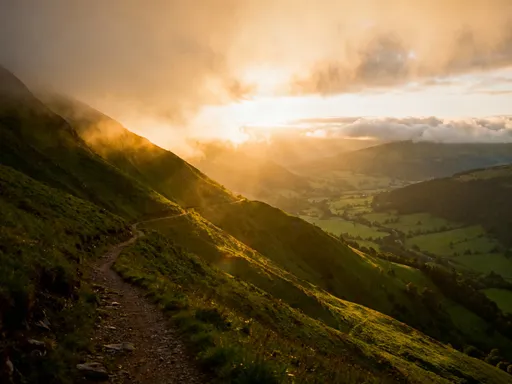
As the train slows into Jasper station or your car winds down the final stretch of Yellowhead Highway, the first thing that strikes you is scale—the vast, snow-dusted peaks of the Canadian Rockies rising like ancient sentinels around the town. The air is crisp, carrying the scent of pine and damp earth, and sunlight filters through spruce branches in golden shafts. But beyond the grandeur of the landscape, another kind of beauty reveals itself slowly: the artistry woven into the town’s fabric.
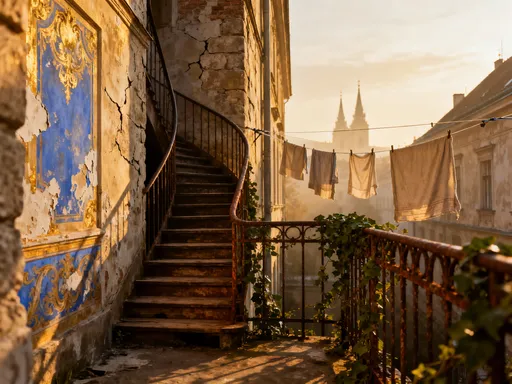
Jasper doesn’t shout its creativity; it whispers it. Wooden signs carved with wildlife motifs frame shop entrances. Murals of elk and loons grace the sides of cafes. Even lampposts are wrapped in hand-knitted wool during winter, a small but heartfelt gesture from local crafters. These touches aren’t tourist gimmicks; they’re expressions of a community deeply attuned to its environment. The town feels lived-in, intimate, like a well-loved cabin passed down through generations.
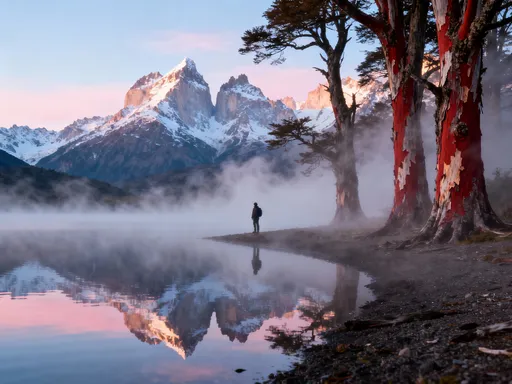
What makes Jasper unique is how seamlessly art and wilderness coexist. The untamed landscape doesn’t overpower human expression—it inspires it. Artists don’t come here to escape nature; they come to engage with it. The towering peaks, silent forests, and glacial rivers become collaborators in the creative process. Many local creators speak of being moved by the light at dawn over Maligne Lake or the sound of hooves on frost-covered trails. These experiences don’t just influence their work—they become the work itself.
Walk down Patricia Street, the town’s main thoroughfare, and you’ll notice that even the storefronts feel like installations. A bakery window displays loaves shaped like mountain ranges. A tiny apothecary shop labels its soaps with hand-drawn botanical sketches. A gallery’s outdoor display changes monthly, featuring rotating works from local painters. These aren’t just businesses; they’re stages for storytelling. And the stories they tell are all rooted in place.
The Heartbeat of Jasper: Local Art Galleries and Studios
If Jasper has a cultural pulse, it beats strongest in its galleries and artist studios. These spaces are not grand institutions with marble floors and velvet ropes, but modest, welcoming rooms where art feels accessible, alive, and deeply personal. One of the town’s central cultural anchors is the Jasper Yellowhead Museum & Archives, which, while not solely an art gallery, regularly hosts exhibitions spotlighting regional artists. These curated displays often focus on the intersection of history and landscape—think hand-tinted photographs from early mountaineering expeditions, sketches from 1920s surveyors, and contemporary watercolors capturing the same vistas nearly a century later.
What stands out in these exhibitions is continuity. The mountains look nearly unchanged; it’s the human interpretation of them that evolves. Early depictions emphasized conquest and challenge, while modern works often convey reverence, stillness, and ecological awareness. This shift mirrors a broader transformation in how people relate to the wilderness—not as something to dominate, but to listen to.
Scattered throughout the town center are small independent studios, often tucked above cafés or behind unassuming doors. These are the real heart of Jasper’s creative scene. Many artists work in mediums shaped by the land: wood carving using fallen timber, bronze casting inspired by local wildlife, or textile art made from sustainably sourced wool. Paintings dominate, of course, but not the kind mass-produced for hotel lobbies. These are intimate, textured works—thick impasto strokes mimicking avalanche slopes, delicate pencil sketches of bird feathers, or abstract interpretations of glacial melt patterns.
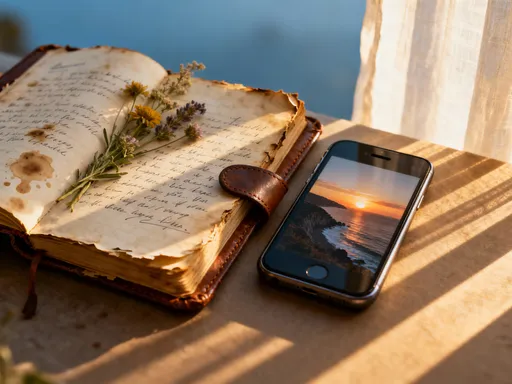
Meeting these artists, even briefly, reveals a common thread: deep humility before the landscape. They don’t claim to capture nature; they say they only attempt to reflect their moment within it. Some rise before dawn to paint in situ, battling wind and cold to record the exact hue of alpenglow on a distant peak. Others keep journals filled with pressed leaves, sketches, and weather notes, treating each day as research. Their studios often double as living spaces, reinforcing the idea that creativity here is not a job, but a way of life.
What’s striking is the absence of pretense. Artists welcome questions. They’ll explain how they mix natural pigments from local clay or describe the challenge of painting snow that doesn’t look flat. There’s no gatekeeping, no art-world jargon. Instead, there’s warmth, curiosity, and a shared appreciation for beauty found in quiet moments—a deer stepping out of mist, the way ice cracks on a frozen lake, the sound of a distant waterfall.
Art You Can Take Home: Specialty Craft Products
In Jasper, art isn’t confined to galleries. Some of the most meaningful expressions can be held in your hands, carried in your bag, or gifted to a loved one. The town’s craft economy thrives not on souvenirs, but on thoughtful, handmade items that carry the essence of the place. These aren’t trinkets stamped with generic mountain silhouettes; they are objects born of care, skill, and connection.
Consider the hand-poured candles found in several local shops—crafted with soy wax and scented with essential oils like lodgepole pine, cedar, and fir. The vessels themselves are often repurposed glass jars, each labeled with a handwritten batch number and scent profile. Burning one at home months later can transport you instantly back to Jasper’s crisp, forested air. These candles are more than ambiance—they’re sensory souvenirs.
Equally compelling are the artisanal soaps and balms made with natural ingredients sourced from the region. Some incorporate wild-harvested herbs like yarrow and arnica, known for their soothing properties. Others use glacier milk clay or locally gathered spruce tips, which add a fresh, citrusy note. Packaged in simple paper wraps with botanical illustrations, these products feel honest and grounded, the antithesis of mass-market toiletries.
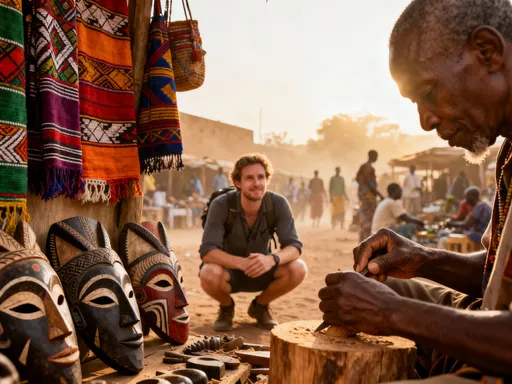
Woodcrafts are another cornerstone of Jasper’s handmade culture. Skilled artisans transform sustainably harvested timber into cutting boards, utensils, and small sculptures. Some carvers incorporate natural wood flaws—knots, cracks, or bark edges—into their designs, celebrating imperfection as part of the story. A maple spoon might bear the grain pattern of a tree that stood for decades near Maligne Canyon. A bear figurine, hand-turned on a lathe, captures not just form, but presence.
For those who love to write or sketch, Jasper offers a range of specialty stationery. Locally made sketchbooks use recycled paper and feature covers pressed with real ferns or leaves. Hand-printed postcards depict seasonal scenes—autumn larches, winter fox tracks, spring runoff—each one a miniature work of art. These are not meant to be tossed after a quick greeting; they’re keepsakes, the kind you frame or tuck into a journal.
Jewelry, too, reflects the landscape. Some designers create pendants from polished river stones, their smooth surfaces echoing years of glacial flow. Others use recycled silver to craft delicate representations of pine needles, moth wings, or mountain contours. The designs are subtle, wearable, and deeply symbolic. Wearing one is not about fashion—it’s about carrying a reminder of stillness, resilience, and natural balance.
Creative Eats: Food as Art in Jasper
In Jasper, even the food feels like an extension of the creative spirit. Dining here is not just about sustenance; it’s about experience, presentation, and provenance. Local chefs and food artisans treat ingredients as both medium and message, crafting dishes that reflect the seasons, the terrain, and the community’s values.
Start with coffee. Several independent roasters in town blend beans with names that evoke the region—“Summit Reserve,” “Glacier Dark,” “Larchlight Medium.” These aren’t just marketing names; they often reflect actual sourcing philosophies. Some roasts include notes of dark chocolate and pine resin, mirroring the forest’s aromas. The cafés themselves are designed as gathering spaces—exposed wood beams, shelves lined with books on natural history, and walls adorned with rotating art from local painters.
Then there are the chocolates. Hand-dipped in small batches, they come in flavors like wild blueberry, spruce tip, and smoked sea salt. Some are shaped like animals—bears, moose, loons—crafted with careful detail. A single piece, wrapped in foil stamped with a mountain motif, becomes a tiny edible sculpture. These aren’t just treats; they’re gestures of hospitality, often gifted between neighbors or offered to hikers at trailside kiosks during community events.
Baked goods, too, are elevated to an art form. Local bakeries produce sourdough loaves with crusts crackling like ice underfoot, their interiors soft and complex in flavor. Some loaves are proofed in molds that imprint alpine patterns into the crust. Croissants might be filled with preserves made from foraged berries—huckleberry, cloudberry, or chokecherry—fruits that thrive in Jasper’s subalpine meadows.
Seasonal offerings deepen the connection to place. In late summer, farmers' markets overflow with jars of wild berry preserves, each labeled with the pickers' names and the harvest location. Fall brings nut tarts featuring locally gathered pine nuts. Winter introduces spiced honey infused with spruce tips, a traditional remedy turned gourmet delight. These foods aren’t just delicious; they’re edible maps of the land, telling stories of weather, soil, and human care.
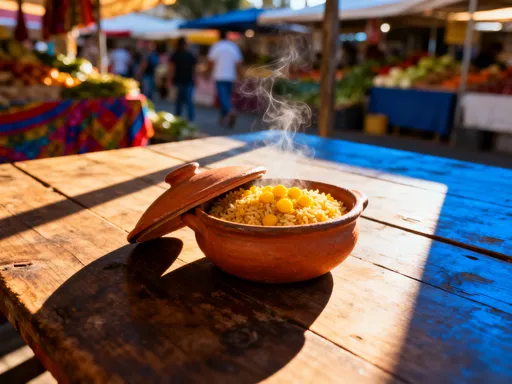
Even the simplest meal can feel like a celebration of place. A bowl of soup in a handmade ceramic mug, served in a sunlit café, becomes a moment of warmth and reflection. The ingredients—root vegetables, wild mushrooms, home-baked bread—are often sourced within a hundred miles. Eating here is not passive; it’s participatory, a way to honor the land with every bite.
Seasonal Rhythms: How Nature Shapes Artistic Output
In Jasper, creativity is not a constant; it ebbs and flows with the seasons. The long, snowy winters slow the pace of life, encouraging introspection and craft. Summer’s endless daylight invites energy, movement, and open-air creation. Each season brings its own palette, rhythm, and inspiration.
Winter is a time for working with hands and fire. With trails buried and highways quiet, artists turn inward. Woodcarvers spend hours shaping bears, ravens, and snowflakes from dense cedar blocks. Knitters produce heavy wool scarves and mittens, often using natural dyes from lichens or bark. Ceramicists fire their kilns against the cold, crafting mugs and bowls designed to hold heat and comfort. The art of this season is tactile, warm, and deeply comforting—objects meant to be held, used, shared.
Public installations also reflect the winter mood. Ice sculptures appear during festivals, carved from frozen river water and lit from within. Some depict animals in motion—a wolf mid-stride, a raven in flight—capturing transient moments in a fragile, glowing medium. These works are ephemeral by design, melting back into the earth come spring, a reminder of impermanence and beauty.
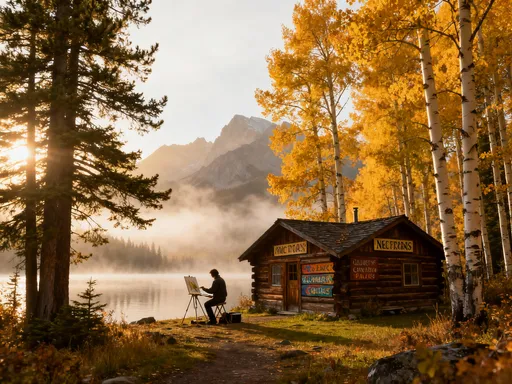
As snow melts and wildflowers emerge, Jasper’s creative energy shifts outdoors. Spring and summer are prime times for plein air painting—artists set up easels along Signal Mountain Road, at the edge of Athabasca Falls, or on the shores of Pyramid Lake. The long daylight hours mean they can paint from dawn until dusk, chasing the changing light. Some participate in the Jasper Artists’ Studio Tour, an annual event that invites visitors into private workspaces, offering a rare glimpse into the creative process.
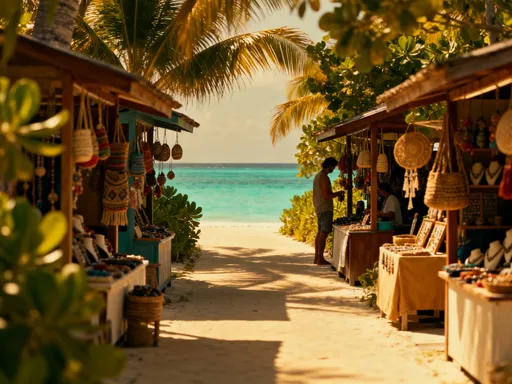
Community markets thrive during these months, transforming parking lots and green spaces into vibrant hubs of handmade goods. These are not tourist bazaars but local gatherings, where artists sell directly to neighbors and travelers alike. You’ll find hand-bound books, nature prints, herbal teas, and children’s toys made from reclaimed wood. The atmosphere is friendly, unhurried, rooted in mutual respect.
The summer season also inspires temporary outdoor art—site-specific installations made from natural materials. A spiral of stones on a hilltop, a woven aspen branch arch over a trail, a series of painted rocks along a path. These works are subtle, often unmarked, discovered by chance. They don’t announce themselves; they invite quiet contemplation. And when they eventually return to the earth, they leave no trace but memory.
Where to Find These Hidden Gems: A Practical Guide
Knowing where to look enhances the experience. While Jasper’s art scene isn’t hidden in the secretive sense, it does require a slower pace, a curious eye, and a willingness to wander. The best discoveries often happen off the main drag, down a side alley, or inside a small shop with a hand-painted sign.
Start in downtown Jasper, particularly along Patricia Street and Connaught Drive. Independent boutiques like local craft cooperatives and gift shops often dedicate space to regional artists. Look for signs indicating “locally made,” “handcrafted,” or “artist in residence.” Many stores provide small bios or photos of the makers, adding a personal dimension to your purchase.
Visitor centers are also valuable resources. The Jasper Park Information Centre frequently features rotating displays of local art and can provide brochures for studio tours or upcoming markets. Staff are knowledgeable and happy to point you toward lesser-known spots—like a weaver’s cottage on the edge of town or a monthly pop-up market at the community hall.
Don’t overlook trailhead kiosks. Some are run by local artisans during peak season, selling small items like hand-printed postcards, salves, or wooden pins. These are often low-cost, meaningful souvenirs that support creators directly. Buying here ensures your money stays in the community and honors the labor behind the craft.
For a deeper dive, time your visit with the Jasper Artists’ Studio Tour, typically held in summer. This self-guided event maps out participating studios, allowing you to meet artists, watch demonstrations, and purchase works on-site. It’s one of the most authentic ways to engage with the creative culture. Alternately, check local listings for pop-up markets, craft fairs, or seasonal festivals, which often feature live music, food, and hands-on workshops.
When shopping, look for markers of authenticity. Handmade goods often have slight imperfections—variations in color, texture, or shape. These aren’t flaws; they’re signatures of a human hand at work. Ask questions: Where was this made? What materials were used? How long did it take? Most creators appreciate the interest and will gladly share their process.
Finally, consider the timing of your visit. Mornings are quieter, ideal for gallery browsing. Weekends often bring markets and events. Winter offers a more intimate experience, with fewer crowds and a greater chance to connect one-on-one with artists. Regardless of season, the key is to slow down, look closely, and engage with intention.
Why This Matters: Art as a Lens to the Wild
At its core, Jasper’s art scene is not about decoration or commerce. It’s about translation. Artists act as interpreters, helping visitors understand the landscape not just with their eyes, but with their hearts. A painting can reveal the stillness of a mountain lake better than a photograph. A hand-carved spoon can convey the warmth of a hearth in a way no guidebook can.
When travelers engage with local art, they move beyond being observers. They become participants in a living culture. Buying a locally made item isn’t just a transaction; it’s an act of recognition—a way of saying, “I see your effort, I value your vision, I want to carry a piece of this place with me.” These objects become bridges between memory and meaning.
Moreover, supporting local artists sustains the town’s soul. In an age of mass production and digital saturation, handmade goods are acts of resistance—slowness against speed, care against convenience, uniqueness against uniformity. Every purchase from a Jasper artist helps preserve a way of life that values patience, skill, and connection to place.
There’s also a deeper emotional resonance. Back home, lighting a pine-scented candle or wearing a river-stone pendant can evoke a sense of calm, grounding, or wonder. These objects don’t just commemorate a trip; they continue the experience. They serve as anchors, pulling us back to moments of clarity found in nature and art.
Teaching children to appreciate handmade gifts—how they’re made, who made them, why they matter—plants seeds of mindfulness and stewardship. It fosters a different kind of consumerism: one rooted in gratitude, story, and respect for both people and planet.
In a world that often feels disconnected, Jasper reminds us that creativity and nature are not separate realms. They are intertwined, each feeding the other. The mountains inspire the art. The art helps us see the mountains anew. And in that cycle, something sacred is preserved—not just a landscape, but a way of being within it.
Jasper’s true magic lies not just in its towering peaks, but in how its wild spirit fuels human creativity. By embracing the town’s artistic side, travelers gain a richer, more personal connection to the landscape. Choosing to explore and support local art isn’t just rewarding—it’s a way to keep the soul of Jasper alive. So next time you visit, look beyond the postcard views. Seek the hand-carved, the hand-painted, the handmade. That’s where the real story begins.