This Hike Near Lisbon Blew My Mind – You Gotta See These Trails
Lisbon isn’t just about trams and tiled buildings—just beyond the city, wild trails carve through dramatic cliffs, pine forests, and coastal ridges that feel like another world. I went hiking near the capital and discovered a landscape I never expected: rugged, windswept, and stunningly beautiful. The special terrain here—steep sea cliffs, rocky plateaus, and hidden valleys—makes every step an adventure. If you love nature with a view, this is your next must-visit. These trails offer more than physical challenge; they deliver a sense of discovery, peace, and awe that lingers long after the hike ends. For families, solo travelers, and outdoor lovers alike, Lisbon’s surrounding wilderness is an open invitation to slow down, breathe deep, and see Portugal in a whole new light.
Why Hiking Around Lisbon Surprised Me
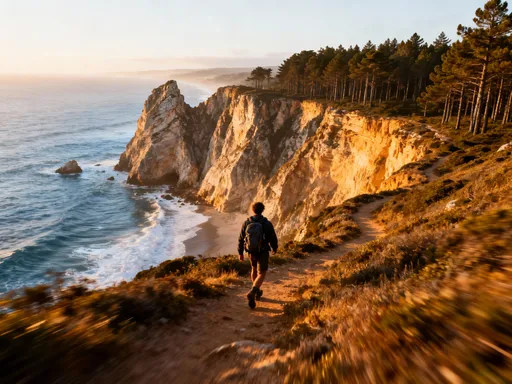
When I first planned a trip to Lisbon, I imagined exploring historic neighborhoods, sipping coffee in sunlit squares, and riding the iconic yellow trams. What I didn’t expect was how quickly the city gives way to untamed natural beauty. Within less than an hour of leaving downtown, I found myself standing on a cliffside trail with the Atlantic Ocean roaring hundreds of feet below. The contrast was striking—where Lisbon is vibrant and bustling, these nearby landscapes are serene and elemental. I had always thought of Portugal’s capital as a cultural gem, but I now realize it’s also a gateway to some of Europe’s most dramatic coastal hiking.
The emotional impact of this discovery was deeper than I anticipated. There’s something profoundly grounding about walking through a pine forest with the scent of resin in the air, or pausing on a rocky outcrop to watch gulls circle above crashing waves. The trails near Lisbon offer not just scenic beauty but a kind of quiet clarity—a chance to step away from daily routines and reconnect with the natural world. Unlike more remote hiking destinations that require long drives or flights, these paths are remarkably accessible, yet they feel worlds apart. This blend of convenience and wildness is what makes them so special.
What truly sets these hikes apart is their ability to surprise. You might start on a paved road in a quiet seaside town, then turn onto a dirt path that climbs steadily into silence and solitude. The transition happens so smoothly that you barely notice until you’re completely immersed in nature. For travelers who typically focus on museums and markets, this natural dimension adds a rich layer to the Lisbon experience. It transforms a city break into a journey of both cultural and environmental discovery.
The Unique Terrain That Defines These Trails
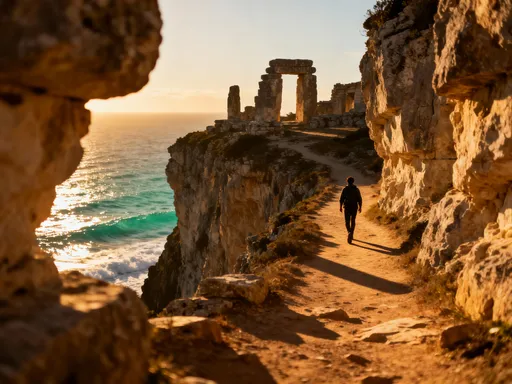
The landscape surrounding Lisbon is shaped by powerful geological forces that have played out over millions of years. Along the coast, steep sea cliffs rise dramatically from the ocean, their layered rock faces telling stories of ancient seabeds and tectonic shifts. These cliffs, carved by wind and water, create natural amphitheaters where waves thunder against the base, sending up plumes of salt spray. Above them, rocky plateaus stretch inland, often covered in low scrub and dotted with hardy wildflowers that bloom in spring. This terrain is not gentle—it’s raw, exposed, and exhilarating.
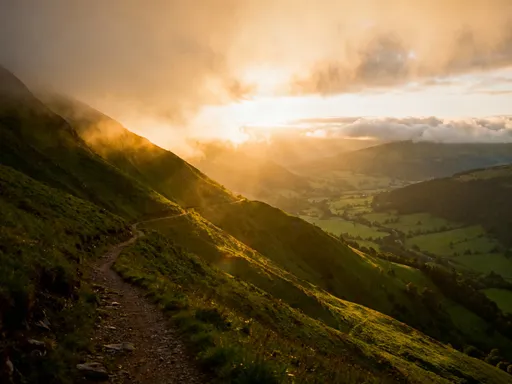
One of the most defining features of the region is its elevated ridges, which run parallel to the coast and offer uninterrupted panoramic views. From these vantage points, you can see for miles—out over the endless blue of the Atlantic, across rolling hills covered in cork oak and eucalyptus, and down into secluded coves where few people ever venture. The elevation means you’re often walking above the tree line, where the wind is constant and the sun feels more intense. This exposure adds to the sense of adventure, making every hike feel like a true expedition.
The area’s geology also creates distinct microclimates. On one side of a ridge, you might walk through a cool, shaded forest with moss-covered stones and the sound of rustling leaves. Just a short climb later, you emerge into a dry, sunbaked plateau where the only plants are thyme, lavender, and rock rose, all releasing their fragrance when brushed by passing hikers. These shifts in temperature, light, and vegetation keep the experience dynamic and engaging. The terrain isn’t just visually diverse—it engages all the senses, making each hike a full-body experience.
Underfoot, the trails vary from packed earth to loose gravel, rocky scrambles, and narrow ledges that require careful footing. In some areas, erosion has created natural staircases of stone, while in others, roots form natural grips along forested paths. The combination of elevation changes, uneven surfaces, and occasional exposure means these trails demand attention and respect. But that’s part of what makes them so rewarding—they don’t feel manicured or artificial. Instead, they feel alive, shaped by natural forces and preserved in their wild state.
Top Trails That Showcase the Region’s Natural Drama
One of the most breathtaking routes is the Rota Vicentina’s Fishermen’s Trail in the southwest near Sagres, though closer to Lisbon, the trails within Sintra-Cascais Natural Park offer equally stunning scenery. The Cape Roca Trail, starting from the westernmost point of continental Europe, is a moderate 3.5-mile loop that takes hikers along cliff edges with dizzying drops to the ocean below. The path is well-marked and maintained, but the views are anything but ordinary. At Cape Roca itself, a simple stone monument marks the spot where the land ends and the Atlantic begins—an iconic moment for any hiker.
Another standout is the trail from Praia da Ursa to Cabo da Roca, a more challenging route that descends steeply into a hidden cove framed by two massive rock formations known as the Bears. The name comes from their resemblance to sleeping animals, and the sight of them rising from the surf is unforgettable. This path involves some scrambling over rocks and requires good balance, but the payoff is a sense of isolation and grandeur that few other trails deliver. On a clear day, you can see all the way to Lisbon’s skyline in the distance, a reminder of how close civilization still is, even in such a wild place.
Further south, in the Arrábida Natural Park, the trail up to Cruzeiro Peak offers one of the most panoramic experiences in the region. The 4.5-mile round-trip climb is steep and often hot in summer, but the summit provides a 360-degree view of the Sado River estuary, the Atlantic coast, and the lush green slopes of the Arrábida mountains. The contrast between the deep blue water and the red-tinted rock formations is striking, especially at sunrise or sunset. This trail also passes through a protected Mediterranean forest, where you might spot wild goats or hear the call of a Bonelli’s eagle overhead.
For those seeking a gentler experience, the forest trails around Quinta da Relva in Cascais are ideal. These shaded paths wind through towering pines and eucalyptus trees, creating a cool, peaceful atmosphere even on warm days. The network of trails is easy to navigate and perfect for families or those new to hiking. Benches along the way invite rest and reflection, and the sound of birdsong replaces city noise. Each of these trails, whether challenging or relaxed, reveals a different facet of the region’s natural beauty, proving that adventure doesn’t have to mean extreme difficulty to be meaningful.
How to Prepare for the Terrain: Gear, Timing, and Safety
While these trails are accessible, they are not without risk. Proper preparation is essential for a safe and enjoyable experience. The most important item is a good pair of hiking shoes with strong grip and ankle support. Many paths are rocky, uneven, or slippery, especially after rain, and loose gravel can make descents particularly tricky. Trail runners may work on easier routes, but for anything involving cliffs or scrambling, sturdy boots are strongly recommended. A lightweight backpack with water, snacks, and a windbreaker is also essential—weather can change quickly, and shade is often scarce.
Sun protection is critical. Even on overcast days, the coastal exposure means UV rays are intense. A wide-brimmed hat, sunglasses, and sunscreen are non-negotiable, especially between 11 a.m. and 3 p.m. when the sun is strongest. Hikers should carry at least two liters of water per person, more on longer or hotter days. Dehydration can set in quickly, and while some trails have access points with cafes or shops, others are completely remote. It’s always better to bring more than you think you’ll need.
The best time to hike is early in the morning, when temperatures are cooler and the light is soft and golden. Spring and autumn offer the most favorable conditions—mild temperatures, blooming wildflowers, and fewer crowds. Summer hikes are possible but should be planned for dawn or late afternoon to avoid the midday heat. Winter brings more rain, which can make trails muddy and slippery, but also lush and green, with full streams and dramatic cloudscapes.
Navigation is generally straightforward, as most major trails are well-marked with colored paint blazes or signs. However, it’s wise to carry a map or use a reliable hiking app with offline capabilities. Mobile signal can be spotty in remote areas, so relying solely on a phone is risky. For first-time visitors or those tackling more difficult routes, joining a guided hike can provide peace of mind and valuable local knowledge. Regardless of experience level, all hikers should let someone know their plans and expected return time. Safety also means respecting the environment—staying on marked trails protects fragile vegetation and reduces erosion.
Connecting with Local Nature: Flora, Fauna, and Quiet Beauty
One of the quiet joys of hiking near Lisbon is the chance to observe native plants and animals in their natural habitat. The region’s Mediterranean climate supports a rich variety of flora, from the iconic cork oak trees, whose bark is carefully harvested every nine years, to aromatic herbs like rosemary, thyme, and sage that perfume the air on warm days. In spring, the hillsides explode with color—yellow broom, purple heather, and delicate white rock lilies blanket the slopes, creating a living tapestry that changes with the season.
Birdlife is especially abundant. Keen-eyed hikers might spot peregrine falcons diving along the cliffs, or ospreys hovering over coastal waters before plunging for fish. The Arrábida hills are home to the rare Bonelli’s eagle, a protected species that soars on thermal currents above the treetops. Smaller birds like warblers, wagtails, and bee-eaters add flashes of color and sound to the landscape. Even reptiles make an appearance—lizards dart across sun-warmed rocks, and occasionally, a slow worm or gecko can be seen basking in a sheltered spot.
Mammals are more elusive, but not unheard of. Wild boar leave tracks in soft soil, and foxes sometimes emerge at dusk near forest edges. In protected areas, you might even see the Iberian shrew or the Mediterranean pine vole, tiny creatures that play vital roles in the ecosystem. These sightings are never guaranteed, but the possibility adds to the sense of adventure. Every rustle in the underbrush, every shadow in the trees, holds the potential for discovery.
Perhaps the most valuable aspect of these hikes is the quiet. Away from traffic, phones, and schedules, there’s space to simply be. The sound of wind in the pines, waves on the shore, or a distant birdcall becomes the day’s soundtrack. This stillness isn’t empty—it’s full of presence. It allows for reflection, for gratitude, for a deeper appreciation of the natural world. In a fast-paced life, these moments of peace are a rare gift. They remind us that beauty doesn’t have to be loud or flashy to be powerful.
Balancing Adventure and Accessibility from the City
One of the greatest advantages of hiking near Lisbon is how easy it is to reach these wild places. From central Lisbon, the town of Cascais—gateway to Sintra-Cascais Natural Park—is just 30 minutes by train. The scenic route along the coast offers glimpses of the ocean before arriving in this charming seaside town, where trails begin just a short walk from the station. Similarly, Sesimbra, the starting point for hikes in Arrábida Natural Park, is reachable by bus or car in under an hour. These short travel times mean you can enjoy a full day in nature without sacrificing precious vacation days.
Public transportation makes these adventures possible for solo travelers, families, and those without cars. The CP train line to Sintra and Cascais is reliable, affordable, and runs frequently, especially in peak season. Regional buses serve coastal towns like Setúbal and Sesimbra, connecting them to Lisbon’s main bus stations. For those who prefer more flexibility, car rentals are widely available and parking is generally easy to find at major trailheads. Whether you choose to go independently or book a guided tour, the logistics are straightforward and stress-free.
Guided hikes offer additional benefits, particularly for first-time visitors. Local guides know the best times to avoid crowds, hidden viewpoints few tourists see, and the history behind the landscape. They also provide equipment, transportation, and reassurance for those unsure about navigating on their own. Many tours are designed with small groups in mind, ensuring a personal and comfortable experience. For families with children, some operators offer shorter, educational hikes that combine nature exploration with fun activities.
The contrast between city and trail is part of the magic. One moment you’re in a café in Lisbon, sipping a bica and watching street life unfold. The next, you’re standing on a cliff with nothing but wind and sea stretching to the horizon. This quick transition is rare in most major cities, where nature often feels distant or difficult to reach. In Lisbon, it’s woven into the rhythm of daily life. Residents hike on weekends, take evening walks along coastal paths, and gather in parks for picnics. This culture of outdoor living makes it easy for visitors to follow suit.
Why This Experience Changes How You See Lisbon
Hiking near Lisbon doesn’t just add variety to a trip—it transforms your understanding of the city itself. Lisbon is often celebrated for its architecture, cuisine, and music, and rightly so. But these trails reveal another dimension: a city deeply connected to the natural world. It’s a place where urban life and wild landscapes coexist, where you can explore centuries of history in the morning and stand on the edge of the continent by afternoon. This duality makes Lisbon not just a destination, but a gateway to deeper experiences.
For many, these hikes become the highlight of their visit. The physical challenge builds confidence, the beauty inspires awe, and the quiet restores balance. In a world that often feels rushed and overwhelming, walking these trails offers a return to simplicity—a reminder that joy can be found in movement, in fresh air, in the sight of a distant horizon. These experiences stay with you, shaping memories long after the tan has faded and the photos have been shared.
They also foster a sense of responsibility. When you’ve stood on a cliff shaped by millennia of natural forces, or walked through a forest that shelters rare species, you feel a stronger desire to protect such places. The trails near Lisbon are not just recreational spaces—they are part of a fragile ecosystem that depends on mindful visitors. Staying on marked paths, carrying out trash, and respecting wildlife are small acts that make a big difference.
So if you’re planning a trip to Lisbon, don’t limit yourself to the city streets. Step beyond the tram lines and tiled facades. Let the trails lead you to cliffs kissed by ocean spray, forests humming with life, and viewpoints that take your breath away. Whether you’re an experienced hiker or simply someone who loves beauty and peace, these paths welcome you. They invite you to explore, to feel, and to see Lisbon not just as a capital city, but as a portal to wonder. The adventure is closer than you think—and it’s waiting for you to take the first step.