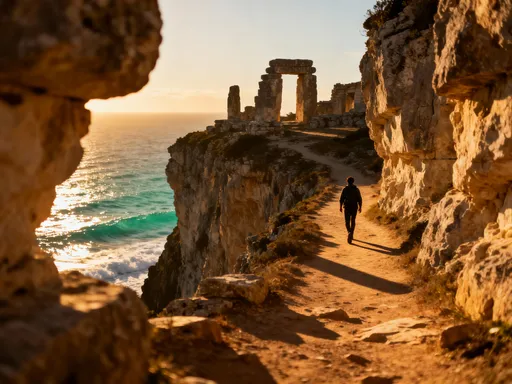
You Won’t Believe These Hidden Natural Gems in Nouakchott
Nouakchott, Mauritania—honestly, I didn’t expect much. But stepping into its raw, untouched landscapes felt like discovering a secret the world forgot. From golden dunes melting into the Atlantic to salt flats shimmering under endless skies, this city’s natural beauty is mind-blowing. If you're chasing real, unfiltered moments with nature, you have to see this for yourself. What begins as a journey to a remote West African capital quickly transforms into a profound encounter with elemental forces—wind shaping dunes at dawn, tides carving patterns in wet sand, and light painting the desert in hues no filter can replicate. This is not a place of manicured parks or tourist trails. It’s nature in its most honest form.
Arriving in Nouakchott: First Impressions vs. Reality
Most travelers arrive in Nouakchott with low expectations. As Mauritania’s capital, it doesn’t feature on luxury travel brochures or trending destination lists. The city’s outer edges reveal clusters of beige buildings, unpaved roads, and the ever-present haze of fine dust carried on warm winds. There are no grand monuments or bustling plazas. At first glance, it feels like a functional hub rather than a destination. Yet, within minutes of stepping outside the airport, the atmosphere shifts. The light here is different—crisper, more intense, with a golden clarity that enhances every shadow and contour. It’s the kind of light photographers chase across continents, and it’s present daily in Nouakchott.
What surprises most visitors is how quickly urban life gives way to open space. Unlike many capital cities hemmed in by dense development, Nouakchott blends into the surrounding desert almost seamlessly. Just a short drive from the city center, roads dissolve into sand tracks, and the horizon stretches uninterrupted. This proximity to wilderness defines the experience. You don’t need to embark on a multi-day expedition to find solitude; it’s accessible within an hour’s drive. The city isn’t separate from nature—it exists alongside it, shaped by the same forces that sculpt the dunes and shift the coastline.
The climate plays a crucial role in shaping both the environment and visual opportunities. With minimal rainfall and consistent sunshine, conditions are ideal for landscape photography. The dry air reduces atmospheric distortion, resulting in sharper images, especially during early morning and late afternoon. Even the heat, often seen as a challenge, contributes to the visual drama. Rising air currents create mirages that ripple across flat expanses, adding a surreal quality to long-exposure shots. For those willing to adapt, Nouakchott offers not just access to remote scenery, but a masterclass in working with natural elements to create compelling imagery.
The Atlantic Coastline: Where Desert Meets Ocean
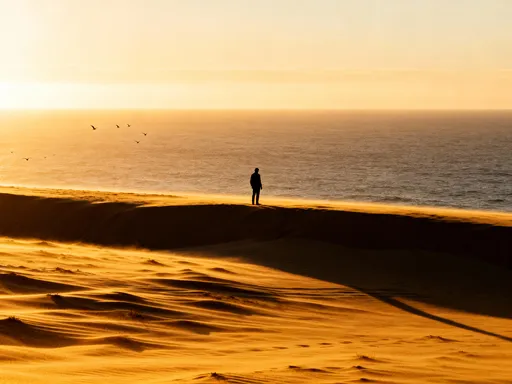
One of Nouakchott’s most striking features is its coastline, where the Sahara Desert meets the Atlantic Ocean in a dramatic embrace. This is not a gentle transition. Towering dunes rise directly from the shore, their bases eroded by tidal forces, their crests sculpted by coastal winds. The contrast between the deep blue of the ocean and the warm amber of the sand creates a visual tension that is both powerful and photogenic. At low tide, vast stretches of wet sand emerge, acting as natural mirrors that reflect the sky and dunes, doubling the impact of any composition.
The tides along this stretch are strong and predictable, making them ideal for planning photography sessions. During incoming tides, waves crash against the dune edges, sending up plumes of spray that catch the sunlight in fleeting bursts. At low tide, the exposed flats reveal intricate patterns left by receding water—ripples, channels, and textures that resemble abstract art. These details come alive under side lighting, especially during golden hour when the sun skims the horizon. Photographers who time their visits carefully can capture sequences that show the dynamic relationship between land and sea, illustrating how this boundary is constantly in flux.
Golden hour, occurring just after sunrise and before sunset, is particularly transformative. The low-angle light elongates shadows, emphasizes texture, and bathes the entire scene in a soft, warm glow. This is the best time to use long-exposure techniques, setting shutter speeds to blur the motion of waves while keeping the dunes sharply defined. The result is a dreamlike contrast between stillness and movement, solidity and flow. Tripods are essential for this kind of work, and neutral density filters help manage the brightness of the open sky. With the right equipment and timing, even a simple stretch of beach becomes a canvas for artistic expression.
The interplay of sand, water, and wind ensures that no two visits yield the same results. A storm overnight can reshape the shoreline, carving new channels or smoothing out previous textures. Wind gusts constantly redraw the surface of the dunes, adding fresh ripples that catch the light in unique ways. This ever-changing environment rewards repeat visits and patient observation. It also encourages photographers to move beyond static compositions and embrace the idea of capturing processes rather than just places. The coastline near Nouakchott isn’t just a backdrop—it’s a living system, constantly evolving under natural forces.
Dakar-Nouakchott Highway Side Stops: Unexpected Landscapes
While the direct route between Dakar and Nouakchott is primarily used for transit, it offers several overlooked opportunities for landscape photography. Along this coastal highway, the terrain shifts subtly but significantly. Just outside the city limits, the roadside opens into wide, arid plains dotted with hardy shrubs and the occasional acacia tree. These side stops, often nothing more than informal pull-offs, provide unobstructed views of the Sahara’s edge. The lack of development means there are no fences, signs, or structures to distract from the natural scenery, allowing for clean, minimalist compositions.
One of the most striking features of these roadside landscapes is the presence of shifting dunes. Unlike the more stable dune fields found further inland, these coastal formations are in constant motion, reshaped daily by onshore winds. Their surfaces are marked with delicate ripple patterns that change with the breeze, creating intricate textures ideal for close-up and wide-angle photography. On hot days, mirages form over the flat expanses, giving the illusion of distant lakes or shimmering pathways. These optical phenomena add a sense of mystery and depth to images, especially when framed against the horizon.
For photographers, safety and preparation are key when stopping along this route. The road sees steady traffic, including large trucks, so choosing wide shoulders or designated rest areas is important. It’s advisable to park completely off the roadway and remain aware of passing vehicles. Because services are limited, carrying extra water, sunscreen, and a fully charged mobile phone is essential. While there are no formal facilities, the isolation itself contributes to the experience, offering a sense of remoteness that’s rare on major highways.
The best photographic opportunities arise during mid-morning and late afternoon when the sun is lower in the sky. Harsh midday light can wash out details, but with the use of polarizing filters, it’s still possible to capture the subtle color variations in the sand and rock. Early risers may catch fog rolling in from the ocean, softening the landscape and creating ethereal atmospheres. These transient conditions, though unpredictable, often yield the most memorable images. The highway may be a means of transit, but for those who pause, it becomes a corridor of discovery.
The Banc d’Arguin Influence: Life at the Edge of the Sahara
Though not located within Nouakchott itself, the proximity to the Banc d’Arguin National Park profoundly influences the region’s ecology. This UNESCO World Heritage Site, situated about 400 kilometers north of the capital, is one of the most important bird sanctuaries in West Africa. Its vast intertidal zones, islands, and coastal wetlands support millions of migratory birds, including flamingos, pelicans, and various species of waders. While the park itself requires special permits and guided access, its ecological reach extends southward, affecting the biodiversity visible even in the outskirts of Nouakchott.
Along the city’s northern coastal areas, flashes of birdlife appear unexpectedly. Flocks of terns skim the waves, while herons stalk the shallows in search of fish. These moments of vitality contrast sharply with the surrounding aridity, reminding visitors that life persists even in the harshest conditions. For photographers, these encounters add narrative depth to their work. A single bird in flight against a vast desert backdrop can symbolize resilience, freedom, or the delicate balance between survival and environment.
When photographing wildlife in these transitional zones, ethical practices are essential. Maintaining distance, avoiding sudden movements, and refraining from using flash near animals help minimize disturbance. The goal is not to capture perfectly framed portraits, but to document natural behavior without interference. This approach aligns with the broader principle of responsible tourism—respecting habitats and recognizing that these spaces exist for more than human enjoyment.
The influence of Banc d’Arguin also highlights the importance of conservation. Despite its remote location, the region faces pressures from overfishing, climate change, and habitat degradation. By drawing attention to the beauty and fragility of these ecosystems, photographers can contribute to awareness and protection efforts. Images that show the harmony between land, sea, and wildlife serve as powerful reminders of what’s at stake. In this way, photography becomes more than an artistic pursuit—it becomes a form of advocacy.
Outside the City: Journey to the Sahara’s Fringe
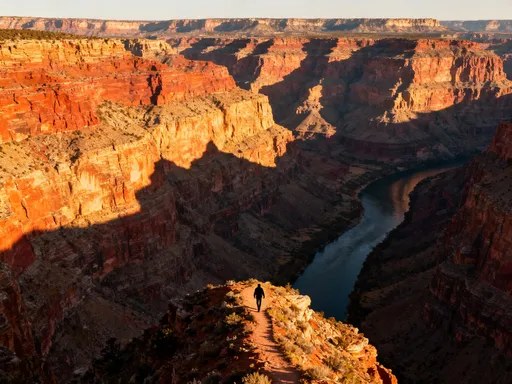
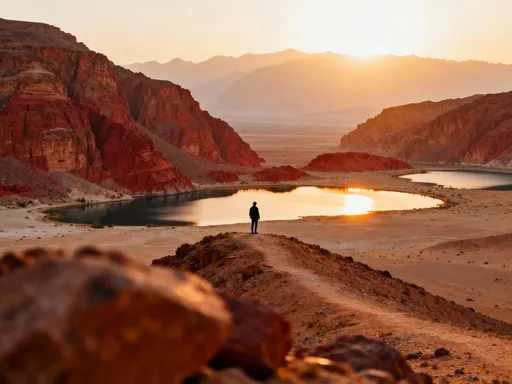
Leaving Nouakchott behind, the landscape opens into vast, empty plains that stretch toward the horizon. These areas, just beyond the city’s outskirts, offer some of the most immersive desert experiences available without extensive travel. The terrain varies from flat, gravel-covered hamadas to rolling dune fields that shift with the wind. What stands out most is the silence—a deep, almost meditative quiet broken only by the whisper of sand or the distant cry of a bird. This sense of solitude is rare in today’s connected world, and it creates a powerful emotional backdrop for photography.
Natural light plays a defining role in these environments. During midday, the high sun creates strong contrasts, casting sharp shadows that emphasize the geometry of dunes and rock formations. At sunrise and sunset, the light becomes softer, wrapping the landscape in warm tones that range from pale gold to deep orange. These moments are ideal for capturing the scale and texture of the desert. Using a wide-angle lens, photographers can include both foreground elements and distant horizons, creating a sense of depth and immersion.
Navigating these areas requires preparation. GPS devices or offline maps are necessary, as road markers are sparse and tracks can be indistinct. Traveling with a local guide not only ensures safety but also provides access to lesser-known vantage points. Guides familiar with the terrain can anticipate changes in wind patterns, identify stable dune crests for climbing, and suggest optimal times for shooting based on seasonal conditions. Their knowledge enhances both the quality and authenticity of the photographic experience.
Hydration and sun protection are non-negotiable. Temperatures can exceed 40°C (104°F) during peak months, and shade is virtually nonexistent. Carrying ample water, wearing breathable clothing, and using sunscreen are essential precautions. Despite the challenges, the rewards are immense. These landscapes offer a purity of form and light that is difficult to find elsewhere. They invite contemplation, creativity, and a deeper connection to the natural world.
Seasonal Shifts: When to Visit for Peak Visual Impact
The visual character of Nouakchott’s surroundings changes significantly with the seasons, making timing a crucial factor for photographers. The region experiences two main periods: a dry season lasting from November to June and a brief, variable wet season from July to October. During the dry months, skies are consistently clear, humidity is low, and visibility is excellent—ideal conditions for sharp, high-contrast images. The sand takes on a richer, more saturated color, and dune formations remain stable due to reduced wind activity in certain periods.
In contrast, the wetter months bring subtle but meaningful transformations. Though rainfall is minimal and sporadic, even small amounts can trigger the growth of desert grasses and wildflowers. These fleeting blooms introduce touches of green into the otherwise monochrome landscape, creating striking color contrasts. Additionally, increased cloud cover during this time can produce dramatic skies, especially at sunrise and sunset, adding mood and atmosphere to compositions. While humidity rises slightly, reducing air clarity, the trade-off is often worth it for photographers seeking variety and emotional depth in their work.
Wind patterns also vary seasonally, affecting both sand movement and shooting conditions. Stronger winds during certain periods reshape dunes overnight, creating fresh textures and patterns. While this can disrupt planned compositions, it also offers new opportunities for capturing dynamic, transient details. Photographers who embrace unpredictability often find the most compelling subjects in these shifting environments.
Accessibility is another consideration. During the dry season, roads are more passable, and travel times are more predictable. In the wetter months, some unpaved routes may become slippery or temporarily impassable, requiring 4x4 vehicles and careful planning. However, fewer tourists visit during this time, meaning greater solitude and less human impact on the landscape. Whether chasing pristine light or rare bursts of color, choosing the right season enhances both the experience and the final images.
Capturing the Authentic Soul of the Landscape
Great photography in Nouakchott goes beyond capturing beautiful scenes—it’s about conveying the essence of the place. Too often, travelers seek only the postcard shot: a perfectly framed dune, a symmetrical reflection in wet sand, a dramatic silhouette at sunset. While these images have merit, they risk reducing complex environments to aesthetic objects. To tell a deeper story, photographers must slow down, observe, and engage with the landscape on a more thoughtful level.
One way to achieve this is by focusing on details that reveal the passage of time and the forces at work. A single footprint in the sand, a weathered piece of driftwood, or the pattern left by retreating waves can speak volumes about impermanence and resilience. Including subtle human elements—a distant fisherman, a small herd of goats, a lone tree bent by wind—can add narrative layers without disrupting the sense of wilderness. These moments, often overlooked, carry emotional weight and authenticity.
Respect for the environment is inseparable from this approach. Staying on existing paths, avoiding littering, and minimizing noise help preserve the integrity of these fragile ecosystems. Photography should leave no trace beyond the image itself. Moreover, sharing these stories with care—crediting locations, acknowledging local communities, and promoting conservation—ensures that the work contributes positively to the region’s visibility.
Ultimately, the landscapes around Nouakchott deserve attention not because they are exotic or remote, but because they represent a rare balance between raw nature and quiet coexistence. They remind us that beauty exists in simplicity, in silence, in the unpolished edges of the world. By capturing these spaces with intention and respect, photographers do more than create art—they bear witness to something quietly extraordinary.
Nouakchott isn’t just a capital city; it’s a gateway to some of the most underrated natural scenery on Africa’s west coast. With the right timing, gear, and mindset, it offers photographers rare, soul-stirring moments where earth, wind, and light collide in silence. These landscapes don’t shout—they whisper. And if you listen closely, they leave a lasting mark. In an age of overexposure and instant gratification, finding places that demand presence, patience, and reverence is a gift. Nouakchott offers exactly that: a chance to step away from the noise and reconnect with the quiet pulse of the natural world. For those willing to look beyond first impressions, it reveals itself as a hidden sanctuary of light, space, and stillness—one that lingers long after the journey ends.