You Won’t Believe What I Ate in Brasília—Culture on a Plate
Brasília isn’t just bold architecture and wide-open spaces—it’s a cultural feast hiding in plain sight. I went looking for history, but found my soul stirred by the flavors instead. From bustling feiras to family-run eateries tucked in quiet quadras, every bite told a story. This is more than dinner—it’s heritage, rhythm, and warmth served hot. If you think Brazilian food stops at Rio or Salvador, trust me, you’re missing something real. The capital may be known for its modernist skyline and political pulse, but its true heartbeat thrives in the kitchen, where generations of migration, tradition, and resilience simmer in clay pots and sizzle on grills. Here, food isn’t an afterthought—it’s the language of belonging.
Beyond the Monumental: Discovering Brasília’s Cultural Heart
When most travelers picture Brasília, they imagine Oscar Niemeyer’s sweeping curves and Lucio Costa’s geometric city plan—a UNESCO World Heritage site shaped by vision and ideology. Yet beneath this structured, almost futuristic surface beats a deeply human culture forged not by architects alone, but by the millions who came to build and sustain the nation’s capital. Founded in 1960, Brasília was not born from organic growth but from national ambition. However, what began as a political project soon became a cultural crossroads. Workers, civil servants, and families arrived from all corners of Brazil, bringing with them the tastes, traditions, and culinary memories of their homelands. This internal migration—particularly from Minas Gerais, Goiás, Bahia, and the rural Central-West—created a unique cultural fusion that defines the city today.
Unlike coastal metropolises shaped by colonial ports and African heritage, Brasília’s identity is inland-born and deliberately constructed, yet authentically lived. The city’s layout, with its superblocks and designated zones, might seem sterile at first glance, but it fosters a surprising sense of community. Neighbors gather in shared green spaces, children play in wide avenues, and food becomes the thread connecting disparate lives. The architecture may be monumental, but daily life unfolds in intimate rhythms—especially around the dining table. Over time, these rhythms have given rise to a distinct culinary identity, one that honors regional roots while embracing the city’s modern reality. It is not a museum of tradition, but a living, breathing evolution of Central-Western Brazilian culture.
What makes Brasília’s cultural heart so compelling is its authenticity. There is no performance for tourists here, no curated folklore. Instead, culture emerges naturally—in the way a grandmother stirs a pot of arroz com pequi, in the laughter shared over pastéis at a weekend market, in the quiet pride of serving a dish passed down through generations. The city’s planned nature may have dictated its form, but its soul was built by the people who call it home. And nowhere is that soul more evident than in the food.
The Rhythm of the Table: How Food Reflects Brasília’s Identity
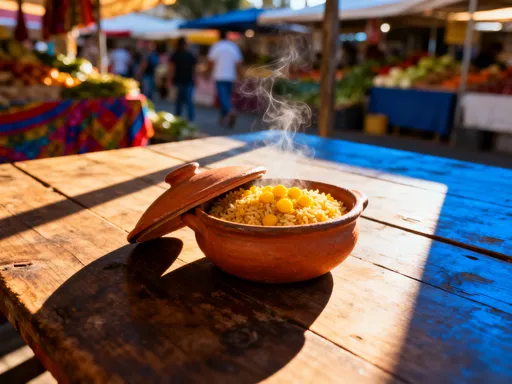
In Brasília, meals are not rushed affairs but deliberate acts of connection. Dining here follows a slow, almost ceremonial rhythm, shaped by both practicality and tradition. The centerpiece of many homes is the panela de barro—a clay pot that imparts a depth of flavor no modern cookware can replicate. These pots are passed down like heirlooms, each one carrying the essence of countless family meals. Cooking in clay is more than a method; it’s a commitment to patience, to flavor, to the belief that good food cannot be hurried. This philosophy extends beyond the kitchen: meals unfold over hours, especially on Sundays, when extended families gather for long lunches that double as reunions, therapy sessions, and cultural preservation.
The structure of these meals reveals much about Brasília’s social fabric. Dishes are often served in large platters, encouraging sharing and conversation. There is no strict course sequence—food arrives as it’s ready, and everyone eats together, regardless of age or status. This egalitarian approach reflects the city’s origins as a place built by workers from all walks of life. In a capital known for bureaucracy and hierarchy, the dining table remains a rare space of equality and warmth. It is here that stories are told, advice is given, and cultural memory is preserved. A simple dish like frango com ora-pro-nóbis—chicken stewed with a leafy green native to the Cerrado—becomes a vessel for history, carrying knowledge of medicinal plants, sustainable foraging, and indigenous wisdom.
Brasília’s relative youth means its food culture is still evolving, yet it is deeply rooted in regional staples. The pequi, a spiky, aromatic fruit from the Cerrado biome, is perhaps the most iconic ingredient. Its strong scent divides opinion—some love it, others struggle with its pungency—but for locals, it is a symbol of home. Arroz com pequi, a dish of rice cooked with pequi fruit and pork, is more than a meal; it is an experience, often eaten with the hands, the oil from the fruit staining fingers golden. To eat it is to participate in a ritual that connects the present to the land and its people. These foods are not trendy—they are essential, woven into the fabric of daily life and celebrated without pretense.
Feiras Livres: Where Flavor Meets Everyday Life
No understanding of Brasília’s food culture is complete without a visit to its feiras livres—the open-air markets that spring up in neighborhoods every morning. These are not tourist markets with overpriced souvenirs, but vital community hubs where locals shop, socialize, and sustain regional agriculture. The most vibrant include Feira da Torre, Feira do Sudoeste, and Feira do Guará, each with its own character and loyal following. At dawn, trucks arrive from nearby farms, unloading crates of fresh produce: bright orange mangaba, tart cagaita, and bundles of jambu, a leaf that numbs the mouth and enhances the taste of food. The air fills with the smoky scent of wood-fired grills, where churrasqueiros prepare espetinhos and linguiça for early risers.
Shopping at a feira is an immersive experience. Vendors call out their daily specials in rhythmic cadences, their voices blending into a marketplace symphony. Baskets overflow with native fruits, medicinal herbs, and handmade cheeses from small dairies in the surrounding countryside. It’s common to see elders bargaining gently, not out of necessity but as a ritual of connection. A kilo of pequi might come with a story about the tree it was picked from, or a tip on how to remove the thorns safely. These exchanges are not transactions—they are acts of cultural transmission. Children learn which fruits are in season, how to choose ripe cupuaçu, and why certain leaves are used in healing teas.
More than just a place to buy food, the feira is a social anchor. Friends meet for coffee at a corner stall, couples stroll hand in hand, and musicians sometimes set up near the entrance, adding a soundtrack of moda de viola or samba de raiz. For many residents, especially older women who manage household kitchens, the feira is the heart of the week. It’s where they source ingredients for Sunday lunch, where they exchange recipes, and where they feel most connected to the rhythms of the land. In a city designed for efficiency, the feira offers something priceless: slowness, community, and authenticity.
From Street Stalls to Hidden Eateries: Authentic Flavors Off the Radar
While Brasília boasts high-end restaurants and celebrity chefs, the city’s most memorable meals are often found far from the spotlight. The true culinary magic lives in unassuming places: a lanchonete beside a bus stop, a quitanda with plastic chairs and a chalkboard menu, or a home kitchen that opens its doors only on weekends. These spots don’t advertise. They don’t need Instagram influencers to survive. Their reputation is built on loyalty, consistency, and flavor so deep it feels ancestral. One such place might serve pastel de araucária, a flaky fried pastry filled with shredded chicken and hearts of palm from the native pine tree, a dish that honors both indigenous knowledge and immigrant ingenuity.
Another might specialize in empadão goiano, a deep-dish pie from Goiás with a golden crust and a filling of chicken, olives, and hard-boiled eggs. Unlike its dainty cousin, the empada, this is a hearty, shareable dish meant for family tables. It’s often made by a dona de casa who learned the recipe from her mother and now sells it from her garage every Saturday. There’s no signage, just a small crowd of regulars who know to arrive early before it sells out. Similarly, along the banks of Lake Paranoá, riverside stalls serve caldo de piranha, a rich fish soup made from the often-misunderstood predator. Slow-cooked with tomatoes, onions, and local herbs, it’s a dish that transforms fear into flavor, proving that even the most intimidating ingredients can become comfort food.
What unites these hidden eateries is their refusal to perform. They don’t cater to tourists or seek media attention. They exist because people love their food and because, in a fast-paced world, there is still a place for meals made with care. To find them, one must wander, ask questions, and follow the scent of wood smoke and simmering broth. It’s not always easy—some are tucked into residential quadras, others operate only on certain days—but the reward is a meal that feels earned, not purchased. In these spaces, dining becomes an act of trust: the cook trusts you to appreciate their labor, and you trust them to feed you well.
Modern Twists on Tradition: How Chefs Are Reinventing Central-Western Cuisine
A quiet revolution is unfolding in Brasília’s kitchens. A new generation of chefs—many of them native to the Central-West or deeply connected to its land—is redefining what regional cuisine can be. They are not rejecting tradition but reinterpreting it with respect, precision, and creativity. This movement is not about exoticism or novelty for its own sake; it’s about honoring the ingredients and techniques that have sustained communities for generations while making them relevant for today’s diners. The focus is on pre-colonial and native elements: guariroba, a bitter palm heart with deep roots in indigenous diets; cipó-milho, a wild vine tuber once foraged in the Cerrado; and native fish like dourado and piau, prepared with minimal intervention to highlight their natural flavor.
These chefs are not confined to fine dining. Some work in mid-range restaurants that prioritize sustainability and education, offering tasting menus that tell the story of the Cerrado biome through food. Others collaborate with local farmers and foragers, ensuring that ingredients are sourced ethically and seasonally. The presentation may be modern—clean plates, artistic plating—but the soul of the dish remains rooted in tradition. A dessert might feature pequi in a mousse, its intensity balanced with local honey and citrus, transforming a divisive ingredient into something accessible without losing its essence. A starter could be jambu tempura, preserving the leaf’s signature numbing effect while introducing it in a playful, approachable way.
What makes this culinary shift powerful is its integrity. These chefs are not treating indigenous ingredients as trends to be exploited. Instead, they acknowledge their origins, often partnering with local communities to ensure fair practices and cultural respect. They understand that food is not just about taste but about responsibility. By elevating native ingredients to center stage, they challenge the notion that Brazilian cuisine must be defined by the coast. Brasília, once seen as a cultural outpost, is now becoming a leader in culinary innovation—one that draws strength from its inland roots rather than imitating coastal models.
Dining as Cultural Immersion: Practical Tips for Meaningful Experiences
For travelers seeking a genuine connection to Brasília’s culture, food offers the most direct path. But to truly experience it, one must move beyond the mindset of checklist tourism. This is not a city where you can understand its soul by visiting three attractions and eating at a recommended restaurant. Instead, meaningful engagement requires slowness, curiosity, and humility. Start by visiting a feira livre early in the morning, ideally on a weekend when the market is fullest. Come with an open mind and a willingness to try unfamiliar ingredients. Don’t be afraid to point at something you don’t recognize—most vendors are happy to explain, and many will offer a sample.
When dining at a local eatery, resist the urge to rush. Sit, observe, and linger. Brazilians value conversation and connection, and a meal is rarely complete without both. If you’re invited into someone’s home—even briefly—accept with gratitude. These moments, though small, are where cultural bridges are built. Learn a few key phrases: Obrigada (thank you), Delicioso (delicious), Posso provar? (Can I try?). Even broken Portuguese shows respect and effort, and locals respond warmly to genuine interest. When trying indigenous ingredients, approach them with reverence, not novelty. These are not “exotic” foods to be Instagrammed—they are part of living traditions that deserve protection and understanding.
Timing matters. Sunday is the most important day for family meals, so many home-based kitchens and small eateries operate only then. Plan accordingly. Also, be mindful of portion sizes—meals here are often large and meant for sharing. Don’t feel pressured to finish everything; taking leftovers is common and seen as a compliment. Finally, support sustainable practices. Choose markets and restaurants that source locally, avoid plastic when possible, and respect the environment that makes this cuisine possible. The Cerrado is one of the world’s most biodiverse savannas, and its preservation is essential to the future of Central-Western Brazilian food.
Why Brasília’s Table Matters: A Culinary Legacy in the Making
Brasília’s dining scene is more than a collection of restaurants and recipes—it is a testament to the resilience and creativity of a people who built a capital from scratch and, in the process, forged a culture all their own. In a city often criticized for its lack of organic history, food has become the living archive of memory, migration, and identity. Every plate of arroz com pequi, every shared pot of caldo de piranha, every Sunday lunch in a quadra home is an act of cultural preservation. These meals are not performed for outsiders; they are lived, cherished, and passed down with pride.
For travelers, sitting at a Brasília table is not just about nourishment—it is an invitation to participate in something real. It is a chance to move beyond the postcard image of modernist architecture and connect with the city’s human core. In doing so, one discovers that even a planned city can grow organic traditions, that culture is not only inherited but made, day by day, meal by meal. Brasília proves that identity is not fixed—it evolves, adapts, and finds expression in the most intimate of acts: sharing food.
So come for the monuments, by all means. Walk the Esplanada dos Ministérios, marvel at the Cathedral’s light, and appreciate the vision that shaped a nation. But stay for the soul on the plate. Let the taste of pequi linger on your tongue, let the warmth of a family kitchen embrace you, and let the rhythm of the table remind you that the most enduring legacies are often served with a side of rice and beans. In Brasília, culture is not just observed—it is tasted, shared, and carried forward, one meal at a time.