You Won’t Believe What I Saw Exploring Nadi, Fiji
Nadi, Fiji isn’t just a stopover—it’s a gateway to some of the most breathtaking viewing experiences on the planet. From misty mountain lookouts to coral-fringed coastlines, every turn offers a new postcard moment. I went searching for authentic beauty and found views so vivid, they stayed with me long after I left. This is exploration at its finest—raw, real, and absolutely unforgettable. More than a transit point between flights, Nadi reveals itself as a destination of quiet majesty when you slow down and truly look. With its lush interior, sacred landmarks, and Pacific embrace, it invites travelers to see beyond the airport terminal and into the heart of Fijian serenity.
Why Nadi Deserves More Than a Layover
For many international travelers, Nadi International Airport is the first touchpoint with Fiji—an efficient hub connecting flights across the South Pacific. But reducing Nadi to a mere transit stop overlooks its rich character and natural abundance. Nestled on the western shore of Viti Levu, Fiji’s largest island, Nadi pulses with a rhythm all its own, where tropical greenery spills over roadsides, fruit vendors greet the morning sun, and the scent of frangipani lingers in the air. It is a town where culture, climate, and geography converge to create something far more meaningful than a layover.
Upon arrival, many visitors are surprised by how quickly urban life gives way to rural charm. Just minutes from the airport, sugar cane fields stretch toward distant hills, and footpaths lead to villages where traditional customs remain strong. This seamless blend of accessibility and authenticity makes Nadi uniquely positioned as both an entry point and a destination in its own right. Travelers who extend their stay discover that Nadi offers more than convenience—it offers connection.
What transforms Nadi from a passing thought into a memorable experience is the shift in mindset. When you approach it not as a place to endure but to explore, the landscape begins to reveal itself. The mountains that frame the town are no longer just backdrops but invitations. The local markets become cultural gateways. And the roads leading out of town turn into journeys of visual discovery. Whether you have one extra night or three, allowing space for Nadi changes the entire tone of a Fijian vacation.
Moreover, Nadi serves as the perfect launchpad for island-hopping adventures, yet its own treasures often go unnoticed. From sunrise viewpoints to sacred temples and coastal trails, the region holds a quiet grandeur that rewards those willing to look closely. The real magic lies not in rushing through but in lingering—letting the warmth of the sun, the rustle of palm leaves, and the kindness of locals shape your impression of this island crossroads.
Sunrise Over the Sights: A Morning in Nadi’s Highlands
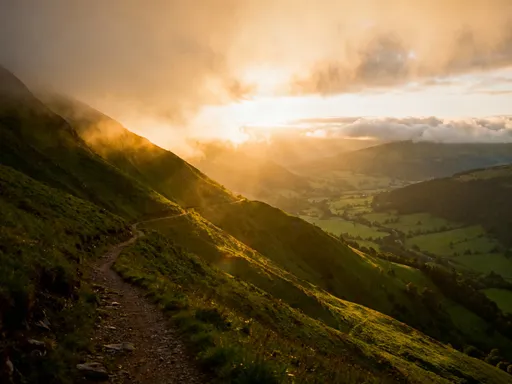
One of the most transformative experiences in Nadi begins before dawn, high above the valley floor, where the world is still wrapped in silence and shadow. A morning hike through the highland trails near the Garden of the Sleeping Giant offers an unparalleled vantage point as the first light spills across the landscape. As the sun crests the eastern ridgeline, golden rays sweep over emerald valleys, illuminating mist that curls like smoke around distant peaks. The air is cool and fragrant with damp earth and blooming orchids, and the only sounds are birdsong and the soft crunch of gravel underfoot.
The Garden of the Sleeping Giant itself, named for the mountain ridge that resembles a reclining figure, is more than just a botanical wonder—it's a gateway to elevated perspectives. While many visitors come during daylight hours to admire the collection of tropical plants and orchid displays, arriving early unlocks a different kind of beauty. The gardens are quiet, almost sacred in their stillness, and the surrounding hills beckon those eager to climb a bit higher. Local guides occasionally lead sunrise treks along marked paths that wind through native forest and open to sweeping panoramas.
Reaching one of these hilltop clearings just as the sun breaks the horizon is a moment of pure clarity. Below, the Sigatoka River snakes through the valley like a ribbon of silver, reflecting the changing sky. Coconut palms sway gently in the morning breeze, and the patchwork of farms and forests comes alive in layered shades of green. It’s a scene that feels both intimate and infinite—a reminder of nature’s quiet power to inspire awe without spectacle.
For travelers planning such a visit, preparation enhances the experience. Sturdy walking shoes are essential, as some trails can be uneven or slippery after rain. A light jacket helps during the early chill, and bringing water ensures comfort during the ascent. Most importantly, timing matters: arriving at least 45 minutes before sunrise allows time to settle in and witness the full transformation of light. While professional cameras capture stunning images, even a smartphone can preserve the memory of colors so vivid they seem painted by hand.
Coastal Vistas: Where the Ocean Meets the Sky
Nadi’s coastline may not boast the same fame as Fiji’s outer islands, but its shores hold a subtle beauty that unfolds slowly to those who take the time to walk them. Along the western edge of the town, public beaches and shoreline paths offer direct encounters with the Pacific Ocean, where turquoise waters meet powder-white sand and the horizon stretches endlessly. Unlike crowded resort beaches, these areas often remain peaceful, frequented more by locals than tourists, making them ideal for contemplative strolls and quiet observation.
One of the most striking features of Nadi’s coastal scenery is the way the water shifts in color throughout the day. In the early morning, the sea appears soft and silvery, mirroring the pale sky. By midday, under clear skies, it transforms into a brilliant mosaic of blues and greens, revealing the presence of shallow coral reefs just beneath the surface. These reefs not only support marine life but also shape the visual texture of the ocean, creating patterns of light and shadow that ripple with the tides. Watching the waves break over submerged formations offers a dynamic, ever-changing display.
Several accessible shoreline walks allow visitors to experience this coastal rhythm firsthand. Along the road to Lautoka, small pull-offs lead to rocky outcrops and sandy inlets where you can pause and absorb the view. Some spots are marked by lone palm trees bent by the wind, others by tide pools teeming with tiny crabs and sea stars. These moments of stillness—listening to the crash of waves, feeling the salt-kissed breeze—anchor the traveler in the present.
Safety and sustainability go hand in hand when enjoying Nadi’s coast. While swimming is possible in designated areas, currents can be unpredictable, so it's wise to observe local signage and avoid venturing too far from shore. Equally important is respecting the environment: refraining from touching coral, avoiding littering, and staying on established paths helps preserve these fragile ecosystems. Many community-led initiatives encourage eco-conscious tourism, reminding visitors that protecting the view ensures it remains for generations to come.
Cultural Landmarks with a View
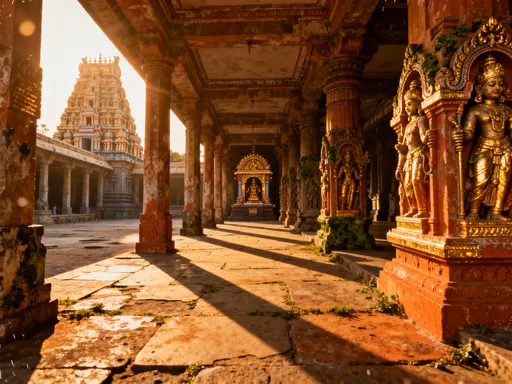
In Nadi, some of the most powerful views are framed not by nature alone, but by culture. The Sri Siva Subramaniya Temple, the largest Hindu temple in the Southern Hemisphere, stands as a vibrant testament to Fiji’s multicultural identity. Located just off the main road, its ornate gopuram tower rises in a burst of color—sapphire, ruby, emerald—adorned with intricate carvings of deities and mythological figures. While the temple is a place of worship and spiritual significance, it also offers a unique visual experience, especially when seen against the backdrop of surrounding hills and tropical sky.
Approaching the temple grounds, visitors are struck by the contrast between its bold architecture and the softness of the landscape. The bright hues of the temple seem to echo the intensity of the Fijian sun, while the open courtyards provide space for quiet reflection. From certain angles, the spire aligns perfectly with distant mountain ridges, creating a composition that blends human artistry with natural grandeur. Photographs capture the details, but being there—feeling the warmth of the stone, hearing the chime of bells—adds depth to the visual impression.
Respectful observation is key when visiting such sites. Non-worshippers are welcome to tour the exterior and designated visitor areas, provided they dress modestly and remove footwear before entering sacred spaces. Guides often share stories behind the temple’s design and symbolism, enriching the experience beyond aesthetics. Understanding that each color, figure, and architectural element carries meaning transforms the view from a mere photo opportunity into a moment of cultural appreciation.
Beyond the temple, other heritage sites in the region also offer scenic and symbolic value. Village visits, when arranged through reputable tour operators, allow travelers to witness traditional Fijian life set against lush backdrops. Homes built on stilts, surrounded by banana trees and flowering hibiscus, sit harmoniously within the terrain. These settings remind us that beauty is not only found in untouched wilderness but also in the way people live in balance with their environment.
Hidden Lookouts: Off-the-Beaten-Path Perspectives
While guidebooks highlight well-known attractions, some of Nadi’s most rewarding views come from unplanned discoveries. These hidden lookouts—quiet roadside clearings, overgrown footpaths, or modest agricultural terraces—are not always marked on maps, yet they offer unfiltered moments of beauty. They require no entrance fee, no reservation, and often no one else around—just the stillness of the land and the reward of curiosity.
One such experience might begin with a simple detour down a gravel road leading away from the main highway. After a short drive, the canopy closes overhead, filtering sunlight into dappled patterns on the road. A small opening appears, just wide enough for a couple of cars to pull over. Stepping out, you find yourself on the edge of a ravine, where a river winds through dense foliage below. The air is cooler here, scented with wild ginger and damp moss. A rusted railing, barely noticeable, marks the spot where locals sometimes pause to fish or simply rest.
Another possibility lies in the foothills where small farms cultivate taro, cassava, and tropical fruit. Walking along a footpath between terraced fields, you gain elevation gradually, and with it, a widening view. To the west, the coastline glimmers in the distance; to the east, the interior mountains rise in soft blue waves. There’s a humility to these places—they exist not for tourism but for life, yet they welcome the respectful traveler with open horizons.
Finding such spots often begins with conversation. Asking a shopkeeper, taxi driver, or hotel staff member for “a quiet place to see the view” can lead to personal recommendations that no app can replicate. These suggestions come with context: when the light is best, which path is safe after rain, or where to find a homemade coconut from a roadside stand. This kind of exploration fosters connection, turning scenery into story.
Crucially, visiting off-the-beaten-path locations means treading lightly. Leaving no trace—packing out trash, staying on paths, avoiding loud noises—ensures these places remain undisturbed. The goal is not to claim a view but to share a moment with it, to witness without disrupting. In doing so, travelers honor both the land and the people who call it home.
Chasing Light: How Time of Day Transforms the Landscape
In Nadi, the same view can feel like an entirely different world depending on the hour. Light is not just a condition for seeing—it is a force that reshapes the landscape, revealing textures, colors, and moods that shift from moment to moment. Sunrise brings softness and clarity, midday delivers brilliance and contrast, and golden hour wraps everything in a warm, honeyed glow. Understanding these transitions allows travelers to experience Nadi’s scenery in its fullest dimension.
At dawn, shadows are long and delicate, tracing the contours of hills and trees with precision. A hillside that appears uniformly green during the day reveals layers—deep jade, lime, and olive—as morning light skims across its surface. Mist rises from river valleys, creating a sense of depth and mystery. This is the time for stillness, when the world feels suspended between night and day.
By midday, the sun sits high, bleaching the sky to a pale blue and intensifying colors. The ocean sparkles like crushed glass, and white sand reflects light upward, brightening faces and camera lenses alike. While this light can be harsh for photography, it reveals details often missed in softer conditions—individual leaves on palm fronds, the intricate pattern of coral in shallow water, the texture of volcanic rock along coastal cliffs.
Then comes golden hour, the time many travelers wait for. As the sun descends, its light turns golden, then amber, then rose, bathing the land in warmth. Hills that stood in sharp relief now glow with a soft radiance, their edges blurred by the low-angle light. Silhouettes of trees and boats emerge against the sky, and the ocean takes on a liquid sheen. This is the moment when casual snapshots become art, when even simple scenes feel cinematic.
Capturing these shifts doesn’t require expensive equipment. A smartphone with a clean lens, a steady hand, and a few simple techniques—like using the rule of thirds or tapping to focus—can produce stunning results. More importantly, being present—watching the light change, feeling the temperature drop, listening to the evening chorus of birds—deepens the emotional impact of the view. The best photographs are not always the sharpest, but the ones taken when the heart is open.
Planning Your Own Visual Journey: Practical Tips for View-Seekers
Designing a trip around scenic discovery in Nadi is both accessible and deeply rewarding. The region’s compact size and well-maintained roads make it easy to explore at your own pace, whether by rental car, taxi, or guided tour. For those arriving with limited time, even a single full day outside the airport can yield unforgettable moments. The key is intentionality—choosing to seek beauty, not just convenience.
Transportation options are flexible. Car rentals offer the most freedom, allowing spontaneous detours and early morning drives without relying on schedules. Taxis and ride services are widely available and often driven by locals happy to share insights about hidden spots. For a more immersive experience, small-group eco-tours or cultural walks provide expert guidance while supporting community-based tourism initiatives.
The best time to visit Nadi for optimal viewing conditions is during the dry season, from May to October. During these months, skies are clearer, rainfall is minimal, and visibility is at its peak—ideal for photography and outdoor exploration. Humidity is lower, making hikes and coastal walks more comfortable. While the wet season brings lush greenery, frequent clouds and afternoon showers can obscure vistas, so travelers seeking consistent light may prefer the drier months.
Packing wisely enhances the experience. Lightweight, breathable clothing in neutral tones blends well with the environment and stays comfortable in the heat. A wide-brimmed hat, sunscreen, and insect repellent are essential for extended outdoor time. A reusable water bottle supports hydration and sustainability. For photography, a basic camera or smartphone with extra battery life is sufficient—most magic happens without technical complexity.
When planning your itinerary, balance popular sites with quiet moments. Visit the Garden of the Sleeping Giant and the temple, yes, but also allow time for unplanned stops—watching fishermen at dawn, walking a beach at sunset, or sharing kava with a local family. These interactions deepen the visual experience, turning scenery into memory.
Ultimately, the best views in Nadi are not just seen—they are felt. They come from slowing down, looking closely, and allowing the landscape to speak. They emerge in the pause between breaths, in the hush before the waves crash, in the warmth of a stranger’s smile. Beauty here is not performative; it is patient, waiting for those who are ready to truly see.
True exploration isn’t about ticking boxes—it’s about opening your eyes. In Nadi, every glance reveals a new layer of wonder, reminding us that the world still holds places where beauty speaks before words. Go see for yourself.