You Won’t Believe How Norway’s Rugged Terrain Shapes Stavanger’s Soul
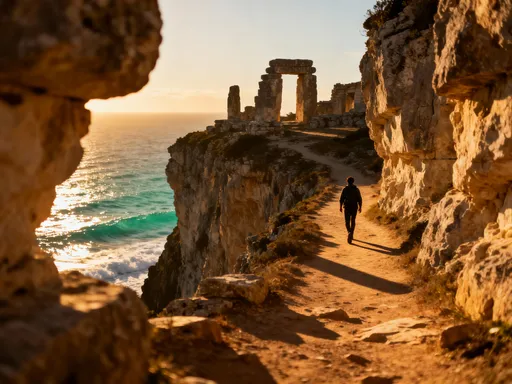
Stavanger isn’t just another pretty Scandinavian city—it’s a place where nature and culture collide in the most breathtaking way. Nestled between dramatic cliffs, ancient fjords, and untouched wilderness, its special terrain doesn’t just define the landscape—it shapes the way people live, work, and connect. I was stunned by how deeply geography influences everything, from local traditions to modern life. This is culture carved by nature. The city does not sit gently upon the land; it emerges from it, rising out of granite bedrock and weathered coastline like something born of the earth itself. Every path, every harbor, every home seems to answer to the demands of the terrain, and in doing so, creates a way of life that is as resilient as the mountains that guard it. Here, nature is not scenery—it is identity.
The First Glimpse: Arrival in a City Between Sea and Stone
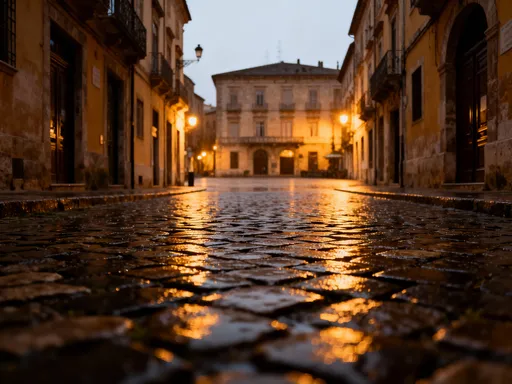
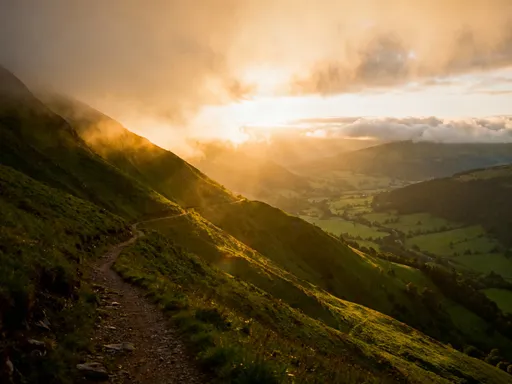
Stepping off the train or driving into Stavanger from the east, the landscape begins to shift long before the city center appears. The flat plains of southern Norway give way to undulating hills, then to jagged ridgelines that slice across the horizon. As you approach the coast, the air changes—crisper, saltier, alive with the scent of seaweed and pine. Suddenly, the city unfolds in layers: red and yellow wooden houses perched on rocky outcrops, narrow streets winding between boulders, and the deep blue of the Gandsfjord cutting through the valley like a vein of liquid silver. This is not a city imposed on the land, but one that has grown around it, respecting every contour and crevice.
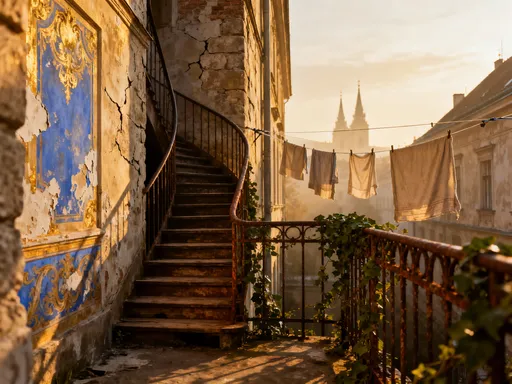
The first view of Vågen Harbor captures this duality perfectly. On one side, the historic white wooden buildings of Gamle Stavanger—Norway’s largest preserved wooden house neighborhood—stand like quiet sentinels of the past. On the other, modern glass-fronted offices reflect the shifting skies, symbols of Stavanger’s role as an energy capital. Yet even here, where industry meets heritage, the terrain asserts itself. Walk along the harbor at low tide, and you’ll see ancient stone wharves exposed, remnants of a time when ships loaded herring and timber directly from the shore. The tide still rules this place, as it has for centuries.
What strikes visitors most is how close the wild feels. Within minutes of the city center, trails lead upward into forested hills. The sound of traffic fades, replaced by wind through birch leaves and the distant cry of seabirds. This proximity to nature isn’t accidental—it’s essential. Stavanger’s residents don’t merely visit the outdoors; they live within it. Children learn to hike before they ride bikes. Families plan weekends around cabin stays in the surrounding hills. The terrain is not an escape; it is home. And from the moment you arrive, you understand that this city’s rhythm is set not by clocks, but by tides, seasons, and the slow pulse of the land.
Geography as Identity: How Terrain Shapes Local Culture
In Stavanger, culture is not something performed—it is lived, shaped by centuries of adapting to a demanding yet generous landscape. The city’s location on the rugged southwestern coast placed its people at the mercy of the North Sea, fostering a way of life built on resilience, practicality, and deep respect for natural forces. Fishing, once the backbone of the local economy, required patience, skill, and courage. Men would launch wooden boats into unpredictable waters, returning with cod, herring, and mackerel that fed families and fueled trade. This legacy endures not just in museums, but in daily habits—how locals speak of the sea with reverence, how they check tide charts as casually as weather forecasts.
The terrain also nurtured a spirit of self-reliance. With long winters and isolated settlements, communities had to be resourceful. Homes were built from local timber, insulated with turf, and oriented to catch every ray of weak winter sun. Skills like woodworking, boat-building, and food preservation were passed down through generations. Today, this heritage lives on in the craftsmanship seen in local markets, from hand-carved utensils to knit woolens designed for cold, damp days. Even modern Stavanger values independence and modesty—traits often linked to the Norwegian concept of dugnad, or community cooperation without fanfare.
Seasonal rhythms continue to shape social life. In spring, when the light returns after months of darkness, people emerge with energy—gardens are planted, boats are launched, and festivals celebrate renewal. One such event is the Utstein Festival, held at Norway’s best-preserved medieval monastery, where music and storytelling echo through ancient stone walls. In autumn, families gather berries and mushrooms from the forests, a tradition known as høsting, reinforcing the bond between people and land. These practices are not quaint relics; they are living customs that root identity in place. In Stavanger, to know the land is to know yourself.
Pulpit Rock (Preikestolen): More Than a Hike—A Cultural Pilgrimage
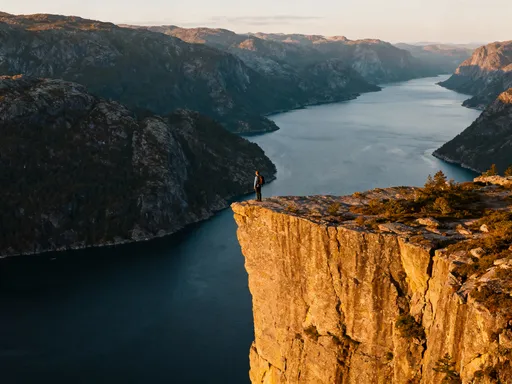
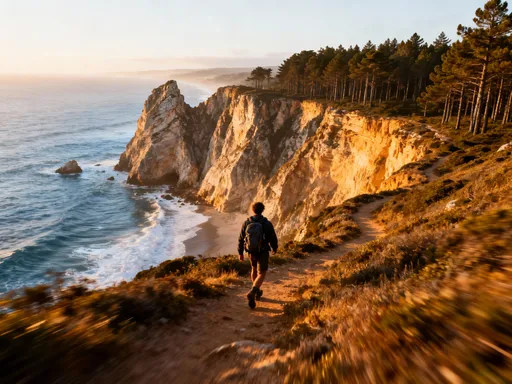
No symbol captures Stavanger’s relationship with terrain more powerfully than Preikestolen, or Pulpit Rock. Rising 604 meters above the Lysefjord, this flat-topped cliff is one of Norway’s most iconic natural landmarks—and for many, a destination of almost spiritual significance. The 4-kilometer hike to the summit is not easy. It winds through ancient glacial scars, across snowmelt streams, and along narrow paths etched into bare rock. Yet every year, tens of thousands make the journey—not just for the view, but for what the journey represents.
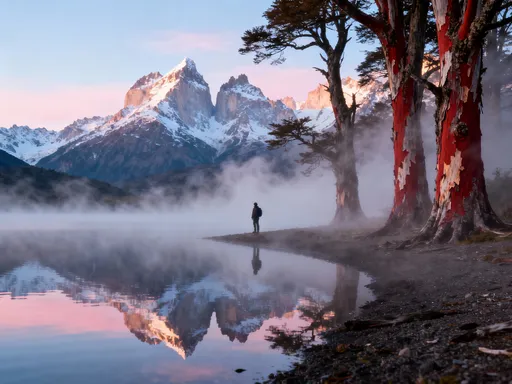
Reaching the edge of Preikestolen is a moment of awe. The fjord stretches below like a ribbon of dark blue silk, flanked by sheer rock walls that rise straight from the water. The silence is profound, broken only by the wind and the distant call of an eagle. Standing there, it’s easy to understand why Norwegians speak of friluftsliv—open-air living—as a core value. This is not tourism as passive observation; it is participation in the landscape, a physical and emotional dialogue with nature.
For locals, hiking Preikestolen is often a rite of passage. Teenagers tackle it before graduation. Families celebrate milestones with a summit picnic. Some return year after year, measuring their lives against the unchanging rock. The experience embodies Norwegian ideals: perseverance, humility, and a quiet joy found in effort and simplicity. There are no cables, no elevators, no shortcuts—just the path, the weather, and your own two feet. In a world of instant gratification, Preikestolen teaches patience and presence. It reminds us that the most meaningful views are earned, not given.
From Oil Capital to Outdoor Haven: Stavanger’s Evolving Relationship with the Land
In the 1970s, Stavanger’s identity shifted dramatically with the discovery of North Sea oil. Almost overnight, the quiet fishing town became Norway’s energy hub, attracting international workers and modern infrastructure. Skyscrapers rose, traffic increased, and the economy boomed. Yet despite this transformation, the city never turned its back on nature. Instead, it began a careful balancing act—embracing progress while honoring its roots.
Today, Stavanger is a study in contrast: a city of offshore drilling engineers who spend weekends hiking, of corporate offices located steps from wild coastline. The oil industry brought wealth, but it also heightened awareness of environmental fragility. Residents saw firsthand how industrial activity could impact marine ecosystems, leading to stronger support for sustainability. The city responded with green initiatives—expanded bike lanes, energy-efficient buildings, and strict regulations on coastal development. Even the oil sector itself has invested in research for cleaner extraction and carbon capture, reflecting a broader cultural shift.
Urban planning increasingly reflects a desire to integrate, not dominate, the landscape. The Sola Strand development, for example, combines residential areas with protected dunes and walking trails, ensuring public access to the beach. Parks like Møllebukta and Bystranda are designed to blend with the shoreline, offering swimming, kayaking, and sunbathing in full view of the sea. Schools teach environmental stewardship, and city campaigns encourage citizens to “live like a local”—which means walking, cycling, and spending time outdoors, regardless of the weather. Stavanger proves that economic modernization and environmental respect are not opposites, but partners in building a resilient future.
Cultural Expressions Rooted in Nature
Walk through Stavanger’s streets, and you’ll see how deeply the terrain influences creativity. Architecture here favors natural materials—wood, stone, and glass—that harmonize with the surroundings. Many homes echo traditional stave church designs, with steep roofs to shed snow and dark cladding made from tarred timber. Public buildings, like the Norwegian Petroleum Museum, use angular shapes that mimic rock formations, blending industry and geology in bold statements of identity.
The city’s cuisine is equally rooted in place. Seafood dominates, with dishes like klippfisk (dried and salted cod), skrei (migratory cod), and fresh scallops harvested from nearby fjords. Restaurants pride themselves on local sourcing—some even list the boat name and catch date on the menu. At the weekly fish market in Vågen, vendors display glistening trout, crab, and mussels pulled from the sea that morning. Land-based ingredients are equally seasonal: cloudberries in summer, wild mushrooms in fall, root vegetables preserved for winter. Meals are simple, hearty, and honest—much like the people who prepare them.
Art and music also reflect the landscape. The annual MaiJazz festival fills outdoor plazas and historic courtyards with live performances, often accompanied by sea breezes and fading sunlight. Local galleries showcase paintings of stormy seas, misty mountains, and quiet villages—scenes that feel more like memories than mere images. Sculptures made from driftwood and stone appear along coastal paths, temporary offerings to the elements. Even literature from the region often centers on solitude, endurance, and the quiet beauty of nature. In Stavanger, culture is not separate from the environment—it is its echo.
Hidden Paths and Local Secrets: Experiencing Terrain Beyond the Tourist Trail
While Preikestolen draws the crowds, Stavanger’s true magic lies in its lesser-known corners—places where the connection between people and land feels most authentic. Just a short drive from the city, the village of Lauvvik offers a quiet ferry crossing to the island of Mosterøy, where stone churches and grazing sheep dot the hills. The path along Hundvåg’s coastal trail winds past abandoned fishing huts, tidal pools, and views of the North Sea stretching to the horizon. These are not curated experiences, but living landscapes where nature and daily life intertwine.
One hidden gem is the hike to Skomrak, a forested area with ancient pine trees and crystal-clear streams. Unlike the well-marked Preikestolen trail, Skomrak feels wilder, with fewer signs and more silence. Locals come here to forage, meditate, or simply escape. Another quiet favorite is the island of Hundvåg, connected by bridge, where walking paths loop around rocky inlets and small beaches. On summer evenings, families grill fish over open fires, their laughter carried away by the wind.
For those seeking solitude, the archipelago of Rennesøy offers untouched beauty. The ferry from Stavanger takes less than an hour, dropping visitors into a world of grazing sheep, stone fences, and whitewashed cottages. Hiking trails lead to cliffside viewpoints with panoramic fjord vistas, while small coves invite quiet swims. These islands are not designed for mass tourism—they have no large hotels or souvenir shops. Instead, they offer something rarer: stillness, simplicity, and the chance to move at nature’s pace.
To experience these places respectfully, travelers should follow allemannsretten, Norway’s right-to-roam principle. This means leaving no trace, keeping distance from homes and livestock, and avoiding fragile vegetation. It also means embracing local customs—like removing shoes before entering a cabin or greeting fellow hikers with a quiet nod. In Stavanger, the terrain teaches humility. The best way to honor it is to move slowly, listen closely, and take only photographs.
Why This Matters: The Bigger Picture of Place and Belonging
Stavanger’s story is a powerful reminder that culture does not float above geography—it grows from it. The cliffs, fjords, and forests are not just backdrops; they are co-authors of daily life. They shape how people work, eat, celebrate, and relate to one another. They instill values of patience, resilience, and respect. In a world of increasing mobility and digital connection, Stavanger offers a counter-narrative: that belonging comes not from where you go, but from how deeply you engage with where you are.
This connection is especially meaningful for travelers seeking more than surface-level experiences. Too often, tourism reduces places to checklists—photo ops stripped of context. But in Stavanger, the terrain resists simplification. It demands attention. It asks you to feel the wind, taste the salt, climb the path. It teaches that beauty is not passive—it is earned through presence and effort. And in return, it offers clarity, peace, and a deeper understanding of what it means to be human in a wild world.
For families, for dreamers, for anyone seeking meaning in travel, Stavanger stands as a model. It shows how a community can modernize without losing its soul, how nature can be both challenge and comfort, how the land can shape not just a city, but a way of being. The next time you plan a journey, consider not just where you want to go, but what that place might teach you. Let the mountains speak. Let the sea guide you. And remember: the most unforgettable destinations are not just seen—they are felt, remembered, and carried within.